
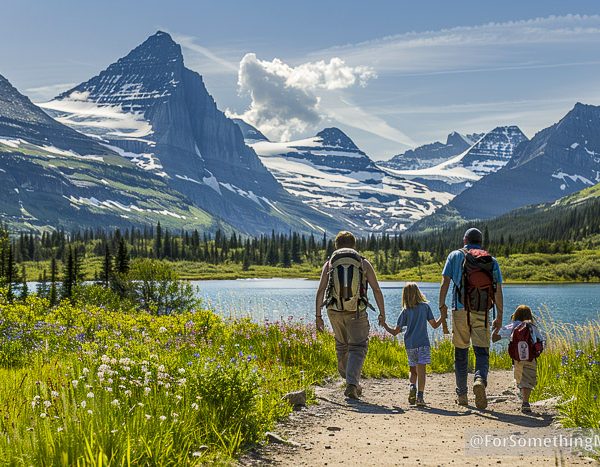
America is loud, even when nobody is speaking. Screens glow late, traffic hums under bedroom windows, work follows people into weekends, and the body starts asking for a different kind of rest long before the mind admits it. A good Nature Travel Guide is not about escaping life; it is about returning to it with cleaner attention, calmer breath, and a better sense of what actually matters. Across the USA, peaceful outdoor breaks can be found in mountain valleys, barrier islands, desert trails, lake towns, forest cabins, and even small county parks that most travelers drive past without noticing. The trick is not always going farther. It is choosing places that give you space instead of noise. Resources from trusted travel platforms and community-focused sites like regional travel insights can help you discover local ideas without turning the trip into another stressful research project. The best nature trips feel simple on the surface, yet they change the pace of your whole week.
Choosing Outdoor Places That Match the Rest You Need
A peaceful trip starts with honesty, not scenery. Many people choose a destination because it looks impressive online, then spend the whole weekend fighting crowds, parking rules, weather swings, and a schedule that feels like work wearing hiking boots. The smarter move is to ask what kind of rest your nervous system needs before you pick the map point. Some weekends call for open water. Some need deep trees. Others need a wide desert sky where nothing asks for your attention.
Peaceful outdoor breaks for tired city travelers
City life trains you to move fast even when nothing is urgent. You cross streets with one eye on traffic, answer messages between errands, and absorb noise until silence feels strange. That is why peaceful outdoor breaks work best when they reduce decisions instead of adding more. A cabin near Shenandoah National Park, a quiet inn outside Asheville, or a lakeside rental in northern Michigan can do more for you than a packed itinerary across three states.
The strongest trips for tired city travelers usually have one anchor activity per day. A morning trail, an afternoon by the water, or a slow drive through a scenic byway gives the day enough shape without turning it into a checklist. This is where many travelers get it wrong. They chase every overlook and come home needing recovery from their recovery.
Quiet does not have to mean remote. A small park outside a major metro area can work if it breaks your usual rhythm. Someone in Chicago might find that Indiana Dunes gives enough lake air and open sand to reset a crowded week. Someone in Los Angeles might need a shaded canyon walk rather than a long haul to a famous national park. Rest is not measured by mileage.
USA nature trips that feel calm instead of crowded
Popular parks are popular for a reason, but timing changes everything. Grand Teton in peak midday traffic feels different from Grand Teton at sunrise. Acadia in July can feel packed near Cadillac Mountain, while quieter trails and coastal paths still give room to breathe. USA nature trips become calmer when you avoid the obvious hour, the obvious trailhead, and the obvious photo stop.
Shoulder seasons often deliver the better experience. Late spring in the Blue Ridge, early fall in Vermont, winter along the Oregon Coast, and April in the desert Southwest can offer softer light, fewer people, and prices that do not punish you for wanting peace. The counterintuitive truth is that the “best” travel season is often the worst season for quiet.
Local parks deserve more respect than they get. State parks, wildlife refuges, national forests, and scenic rivers often carry less pressure than headline destinations. A traveler who chooses Custer State Park in South Dakota, the Driftless Area in Wisconsin, or the Ozark National Scenic Riverways in Missouri may find more room to think than someone standing in a famous viewpoint line.
Building a Trip Around Slow Time, Not Full Days
Once the place is chosen, the real work begins: protecting the pace. Outdoor travel gets ruined when people drag their everyday urgency into a beautiful setting. They wake early because they feel they should, rush breakfast, hurry through a trail, and spend dinner scrolling through pictures instead of remembering how the air felt. A peaceful trip needs fewer moving parts and stronger boundaries.
Quiet travel destinations with breathing room
Quiet travel destinations are not always silent. They are places where the soundscape belongs to the place rather than to crowds. Wind through cottonwoods in New Mexico, gulls over a Maine harbor, rain on a cabin roof in the Smokies, or creek water in the Adirondacks can settle the mind because those sounds do not demand a response.
The best breathing room comes from staying close to the outdoor experience. A motel beside a trail system, a rental near a lake access point, or a campground with shaded paths removes the friction that drains a short trip. Driving ninety minutes each morning to reach the place you came for creates a hidden tax. You pay it in mood.
Trip planning should leave blank space on purpose. That blank space is not wasted time; it is where the trip starts doing its quiet work. You notice birds you cannot name. You sit longer over coffee. You take the second walk because nobody is rushing you into the next attraction. Peace needs room to arrive late.
Weekend nature getaways that do not become errands
Weekend nature getaways succeed when logistics stay small. Two nights close to home often beat one dramatic overnight that requires six hours of driving each way. Americans underestimate how much travel fatigue steals from short trips. The body may reach the mountains, but the mind stays stuck on the highway.
A strong weekend plan usually follows a simple rhythm: arrive before dark, keep the first night easy, choose one meaningful outdoor activity the next day, and leave the final morning unhurried. That structure sounds modest, but it protects the point of the trip. You return with steadier energy instead of a phone full of photos and a tight jaw.
Packing can either support calm or sabotage it. Bring the shoes you trust, layers that match real weather, water, snacks, a paper backup for directions, and one comfort item that makes downtime feel natural. Leave behind the fantasy that you need gear for every possible adventure. Peaceful trips reward preparation, not overpacking.
Reading the Landscape Before You Commit
Nature has moods, and a smart traveler pays attention to them. The same trail can feel generous in October and punishing in August. A beach can soothe you at low tide and feel chaotic during a holiday weekend. A mountain road that looks easy on a map may demand focus after rain or snow. Peace grows when your plan respects the landscape rather than trying to dominate it.
How weather shapes peaceful outdoor breaks
Weather is not a side note in outdoor travel; it is part of the destination. A foggy morning on the California coast can make a walk feel intimate, while the same fog may disappoint someone expecting postcard views. Summer heat in Arizona can turn a casual trail into a risky choice. Rain in the Pacific Northwest may not ruin the day if you planned for forest cover and warm clothes.
Flexible travelers win here. They build a trip with options that match different conditions: a short trail for clear weather, a scenic drive for rain, a visitor center for storms, and a porch or lodge room for the kind of afternoon that asks you to stop moving. The best backup plan is not a consolation prize. Sometimes it becomes the memory you keep.
Weather also affects crowd behavior. A cloudy forecast may scare off casual visitors while still leaving safe, pleasant conditions for prepared travelers. That creates rare openings in places that usually feel overrun. The traveler who understands this does not chase perfect weather. They chase good conditions for the kind of rest they want.
USA nature trips for different energy levels
Not every outdoor break needs a summit, a long paddle, or a rugged backcountry route. USA nature trips should match the actual energy you have, not the version of yourself you perform online. A boardwalk through a wetland can be as restorative as a steep climb. A picnic beside a river can be the better choice when your week has already taken too much.
Low-energy trips work well around places like coastal wildlife refuges, botanical gardens, lake loops, scenic rail trails, and national park gateway towns. These settings offer contact with nature without asking your body to prove anything. That matters for families with young children, older travelers, people recovering from burnout, and anyone who wants calm more than conquest.
Higher-energy travelers still benefit from restraint. A long hike feels richer when it is not squeezed between three other plans. A full-day paddle works better when dinner is simple and the next morning stays open. Effort and peace can live together, but effort needs space around it or it turns into another form of pressure.
Making Outdoor Breaks Feel Local, Personal, and Worth Repeating
The deepest outdoor memories rarely come from copying someone else’s itinerary. They come from noticing what a place gives you when you stop treating it like content. A bend in a river, a roadside farm stand, a ranger’s small warning, a porch chair at dusk, or a trail that smells like sun-warmed pine can stay with you longer than the famous landmark. Repetition helps too. Returning to the same area in another season can teach you more than collecting new destinations nonstop.
Quiet travel destinations beyond the obvious map pins
Quiet travel destinations often sit beside famous places, not far from them. Instead of sleeping inside the busiest national park gateway, you might stay in a smaller town thirty minutes away. Instead of chasing the best-known beach, you might choose a protected shoreline with fewer shops and more birds. America has endless second-door destinations, and many of them feel better than the front entrance.
Think about the edges: the edge of a national forest, the edge of a lake region, the edge of a mountain range, the edge of a desert basin. These places often have lower prices, kinder pacing, and enough services to keep the trip easy. A small town near the White Mountains, a river community in Arkansas, or a coastal village outside the main tourist strip can give you the texture of a place without the crush.
Local businesses also shape the feeling of a trip. A family-run diner, a gear shop that gives honest trail advice, a farmers market, or a small bookstore can ground you in the region. Nature travel should not turn communities into scenery. The best visitors spend money with care, follow local rules, and leave the place easier for the next person to love.
Weekend nature getaways that become personal rituals
Weekend nature getaways become more powerful when they stop being rare emergencies. Waiting until you are burned out before you seek quiet is like waiting until the car smokes before checking the oil. A short outdoor break every few months can keep your inner life from getting buried under routine.
Ritual gives a trip emotional weight. You might take the same first walk after arrival, cook the same easy meal, write a few lines in a notebook, or turn your phone off during the first morning. These small acts tell your mind that the pace has changed. They also make the trip feel yours, not borrowed from a travel feed.
The most useful outdoor habit is paying attention to how you feel after different landscapes. Some people calm down near water. Others need height, distance, or trees. A desert sky may clear one person’s thoughts while making another feel exposed. Once you know your pattern, planning becomes easier and more honest.
Conclusion
Peaceful travel is not about finding a perfect place untouched by other people. It is about choosing the right scale, the right pace, and the right kind of quiet for the season of life you are actually in. A Nature Travel Guide can point you toward beautiful areas, but the better decision happens when you admit what you need from the trip before you book it. Maybe you need still water. Maybe you need a shaded trail. Maybe you need two days where nobody expects you to be impressive. The USA has enough outdoor variety to meet all of those needs, from coastal marshes and mountain towns to desert washes and lake cabins. Start smaller than your ambition wants. Choose one place, protect the empty hours, and let the landscape do more than decorate your weekend. Your next step is simple: pick one reachable outdoor place, block the dates, and plan a trip spacious enough to hear yourself think again.
Frequently Asked Questions
What are the best peaceful outdoor breaks in the USA?
The best choices depend on your location, season, and energy level. Mountain towns, state parks, quiet lakes, coastal refuges, and national forests often work better than crowded landmark parks. Choose places with easy access, fewer schedule demands, and enough natural space to slow your day down.
How do I plan USA nature trips without crowds?
Travel outside peak weekends, start early, visit shoulder seasons, and look beyond the most famous trailheads. State parks, national forests, scenic byways, and wildlife refuges often offer calmer experiences than headline destinations while still giving you strong outdoor scenery and room to breathe.
What should I pack for weekend nature getaways?
Pack trusted walking shoes, layered clothing, water, snacks, sun protection, rain gear, basic first aid, and offline directions. Keep it simple. Overpacking creates clutter, while smart essentials help you stay comfortable, flexible, and relaxed when weather or plans shift.
Which quiet travel destinations are good for beginners?
Beginners often do best with lake towns, nature preserves, botanical gardens, rail trails, beach communities, and state parks with marked paths. These places offer fresh air and scenery without demanding advanced skills, heavy gear, or long wilderness experience.
How long should peaceful outdoor breaks last?
Two to three days can be enough when the destination is close and the schedule stays light. Longer trips help when you need deeper rest, but short breaks work well if you avoid overplanning and give yourself real downtime between outdoor activities.
Are national parks good for peaceful nature travel?
National parks can be peaceful, but timing matters. Visit early, choose less crowded trails, avoid peak holiday periods, and consider nearby national forests or state parks. Famous parks reward planning, but lesser-known areas often give a calmer experience with less effort.
How can I make nature travel relaxing with kids?
Choose short trails, easy water access, flexible meals, and lodging close to activities. Kids often enjoy simple nature moments more than dramatic views. Leave extra time for stops, snacks, and curiosity, because rushing turns family outdoor travel into stress fast.
What are affordable outdoor travel ideas in America?
Affordable ideas include camping, state park cabins, off-season beach towns, scenic day trips, rail trails, public lakes, and national forest stays. Traveling close to home cuts fuel and lodging costs while still giving you the reset that makes outdoor time worthwhile.