
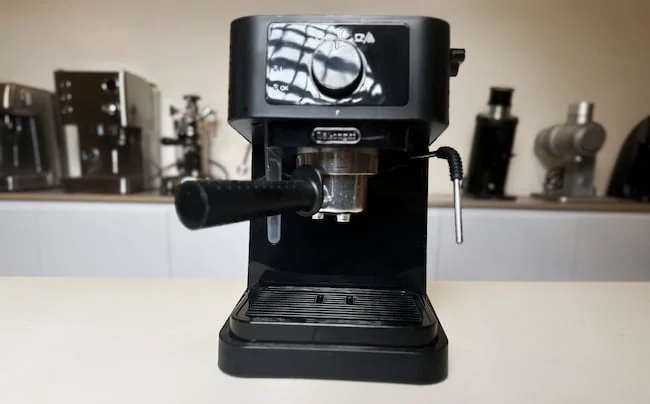
A good espresso deal does not matter much if the machine ends up collecting dust beside the toaster. The DeLonghi Stilosa is getting fresh attention because it sits in that rare corner of the coffee aisle: cheap enough for a first-time buyer, yet hands-on enough to teach you what espresso at home actually feels like. Current deal listings have shown the machine around $99.95, compared with a common $149.95 retail value, though sale prices can change by retailer and date. For U.S. shoppers watching kitchen deals, that puts it in impulse-buy territory, especially when pod machines and café runs already cost more than many people admit. For readers tracking smart retail drops through consumer deal coverage, this is the kind of low-ticket appliance that deserves a closer look before the sale tag does all the talking.
Why the DeLonghi Stilosa Price Drop Feels Different This Time
Low prices come and go, but some deals feel louder because they land at the right moment. Home coffee is no longer a hobby saved for people with grinders that sound like wood chippers. A lot of Americans want one decent latte before work, one small cappuccino after dinner, and no lecture about extraction theory.
The under-$100 line changes the buyer’s mindset
Once an espresso maker falls near $100, people stop comparing it to luxury machines and start comparing it to daily habits. Two coffee shop drinks can run close to twenty dollars in many U.S. cities after tax and tip. That does not mean the machine “pays for itself” overnight, but it does make the decision feel less risky.
The non-obvious part is that a cheaper manual espresso machine may teach better habits than a costly automatic one. You notice grind size. You learn how milk changes when it gets too hot. You see why a weak puck gives you thin coffee. That friction can be useful.
A college student in Austin, a renter in Chicago, or a couple in Phoenix with one narrow kitchen counter may not need a display screen or built-in grinder. They may need a small machine that pulls espresso, steams milk, and does not punish them for being new.
Retail timing matters more than the sticker
A sale price is only half the story. The same machine can look like a bargain at one store and average at another, depending on shipping, return policy, and whether the unit is sold by the retailer or a third-party seller. Best Buy’s live listing showed the Stilosa at $99.95 with a $50 savings from a $149.95 comparable value. Tom’s Guide also highlighted a $99.95 deal during early Prime Day coverage, calling it a cheap espresso pick for beginners.
That does not make every $99 tag equal. A clean return window matters if the pump sounds off, the steam wand leaks, or the machine arrives with missing filters. Budget buyers often focus on saving ten dollars and forget the cost of a bad return.
The better move is simple: compare total checkout cost, confirm the model number, and avoid listings that hide the seller details. A budget espresso machine should feel affordable after purchase, not annoying after delivery.
What You Actually Get From This Manual Espresso Machine
The Stilosa is not trying to be a café in a box. That is its strength. It gives you the core tools without burying the kitchen counter under parts, menus, and cleaning alerts.
The feature set is basic in the right way
The official U.S. product details list a 15-bar pump, 33.81-ounce water tank, 1100-watt input power, 120-volt rating, and an 8.61-pound body with compact dimensions of 13.5 by 8.07 by 11.22 inches. It also includes a portafilter, tamper, single and double espresso filters, measuring spoon, quick-start guide, and a one-year warranty.
Those specs matter because they tell you what the machine is built to do. It is not a bean-to-cup system. It has no grinder. It will not weigh your dose or time your shot. It asks you to take part.
That sounds like a drawback until you think about the buyer. A first manual espresso machine should not pretend the beans, grind, and tamp do not matter. This one leaves enough work in your hands to help you improve without making the process feel like a science project.
Milk drinks are the real test
Most people buying this machine are not chasing tiny tasting notes from single-origin beans. They want cappuccinos, lattes, and maybe a flat white that does not taste like hot milk with brown water hiding in it. The manual steam wand is the part that decides whether the machine earns its space.
Target’s product page highlights the manual milk frother, 15-bar pump, removable water reservoir, and included single and double filters. It also frames the machine as a compact option for espresso, cappuccinos, and lattes at home. That is the honest lane for this appliance.
Here is the catch many new buyers miss: the machine can be capable while the first few drinks still taste average. Milk texture takes practice. Pre-ground coffee can go stale fast. A rushed tamp can make the shot run weak. The machine may be cheap, but the learning curve is still real.
Where It Wins, Where It Annoys, and Who Should Skip It
A low price can make any product look better than it is. The right question is not “Is this cheap?” The right question is “Does the cheapness match the job?”
It wins in small kitchens and starter setups
The strongest case for the Stilosa is space. Many U.S. kitchens are already crowded with air fryers, knife blocks, water filters, and half-used spice racks. A home espresso setup has to earn counter space every morning, not once in a product photo.
This machine works best for someone who drinks one or two milk-based drinks a day and wants control without buying a full barista station. Pair it with a decent burr grinder later, and the drink quality can move up without replacing the machine right away. That upgrade path matters.
There is also a quiet benefit to a simple machine: fewer distractions. No app. No automatic recipe buttons. No hidden milk system that needs deep cleaning. You press, steam, wipe, rinse, and move on.
The annoyances are part of the bargain
You will need patience. The included tamper is serviceable, not special. The portafilter baskets are beginner-friendly, but they will not behave like a prosumer machine. The steam wand can make foam, but you have to learn when to stop before the milk turns flat and hot.
A buyer expecting café-level espresso on day one may feel let down. That is not because the machine is useless. It is because espresso is unforgiving. A $99 machine cannot fix old beans, uneven grounds, or a careless routine.
The counterintuitive insight is that the machine may be better for milk-drink beginners than straight espresso purists. Milk can soften small shot flaws. If you want plain double shots every morning and already own a serious grinder, you may outgrow this fast.
How to Buy the Deal Without Regretting the Purchase
The sale tag should start the research, not end it. Before you click buy, look at the full setup cost and the way you plan to use the machine during a normal week.
Check the real checkout price
Retailers may show a headline price that changes after seller selection, shipping, or availability updates. Amazon’s product page showed the Stilosa with thousands of customer ratings and noted that pricing details may require adding the item to cart, while other seller options appeared separately. That is a reminder to slow down.
Look for the model number EC260BK, confirm it includes the portafilter and filters, and avoid assuming every listing has the same box contents. A missing accessory can turn a cheap purchase into a second order.
For extra context before buying, read starter kitchen appliance buying tips and home coffee setup ideas for small spaces. Those two checks help you avoid buying one deal that forces three more purchases.
Budget for the coffee around the machine
The machine is only one piece. A manual espresso machine depends on beans, grind, dose, and cleaning. If you use supermarket pre-ground coffee, your drink may be acceptable, but it will not show the machine at its best.
A basic burr grinder is the upgrade most buyers should plan for, even if they do it later. Fresh beans ground close to brewing will improve flavor more than a fancy mug, syrup pump, or knock box. Spend in the right order.
For official dimensions, warranty, and product details, check De’Longhi’s official Stilosa product page. It is the cleanest reference point when retailer pages disagree.
Conclusion
A cheap espresso maker is worth buying only when it fits the way you live. This one makes the most sense for beginners, renters, small-kitchen owners, and anyone who wants milk drinks without spending several hundred dollars up front. The DeLonghi Stilosa is not a shortcut to perfect espresso, and that may be the best thing about it. It makes you learn the parts that matter while keeping the cost low enough to forgive early mistakes.
The smart buyer should treat the current discount as a strong opening, not a final answer. Confirm the seller, check the return terms, and think about the beans and grinder you will use with it. A low retail price can get the machine into your kitchen. Better habits decide whether it stays there. Buy it for the routine you will follow, not the coffee fantasy you will abandon.
Frequently Asked Questions
How much should I pay for the Stilosa espresso machine?
Around $99.95 is a strong sale price based on current major-retailer deal listings. Prices can shift during seasonal sales, so compare checkout totals, seller names, shipping dates, and return windows before buying.
Is the Stilosa good for beginners?
Yes, it is a sensible starter machine because it keeps the process hands-on without adding too many controls. You still need to learn dosing, tamping, shot timing, and milk steaming, but the machine itself is not hard to understand.
Does this espresso maker include a grinder?
No, it does not include a built-in grinder. You can start with pre-ground espresso coffee, but a burr grinder will help you get fresher flavor and better shot control as you improve.
Can it make lattes and cappuccinos?
Yes, it has a manual steam wand for milk drinks. The texture depends on your technique, milk choice, and practice. Whole milk is easier for beginners, while some oat milks also steam well.
Is a manual espresso machine better than a pod machine?
It is better for control, freshness, and learning. A pod machine is faster and cleaner, but it limits coffee choice. Manual brewing asks for more effort and rewards better beans and better habits.
What should I buy with the machine first?
Start with fresh espresso beans, a small milk pitcher, and a cleaning cloth. A burr grinder should be the first serious upgrade. Skip decorative accessories until your daily drink tastes the way you want.
Is the Stilosa too small for daily use?
No, it can handle normal home use for one or two people. It is not built for back-to-back drinks at party speed, but it fits a morning routine well when you keep the tank filled and parts clean.
Who should avoid this machine?
Skip it if you want one-touch drinks, built-in grinding, automatic milk frothing, or café-level espresso with no practice. It is best for patient beginners who want a low-cost way into hands-on home coffee.