
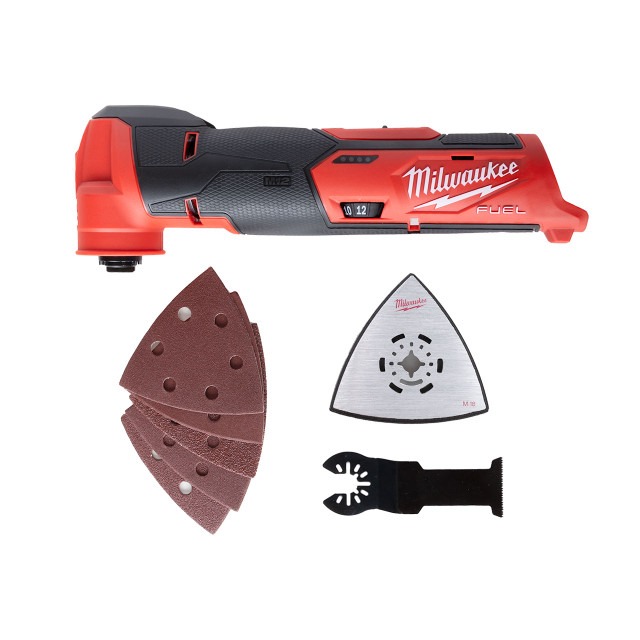
A good tool gift has to do more than look impressive in a box. The oscillating multi tool works because it solves the kind of small, annoying jobs that pile up in American homes: trimming a door casing, cutting drywall cleanly, scraping old caulk, or sanding a tight corner where a big sander feels clumsy. That is why this compact Milwaukee M12 tool has become an easy pick for homeowners, renters with permission to make repairs, and weekend DIY buyers who want something useful without handing over a heavy contractor saw. Current product details matter here, not hype. Milwaukee lists the 2526-20 with 10,000 to 20,000 OPM, a 3.9-degree oscillation angle, a 12-setting speed dial, an LED light, and tool-free blade change, while Home Depot currently shows the bare tool at $159. For readers tracking practical deal coverage, smart home improvement buying notes can help frame this as a gift that earns shelf space, not a gadget that gets opened once.
Why an Oscillating Multi Tool Makes Sense as a Gift
The best tool gifts usually sit between “too basic” and “too specialized.” A tape measure is useful, but it does not feel memorable. A full-size miter saw feels huge unless someone has a garage and a project list. This tool sits in the middle. It feels capable, yet it does not ask the buyer to know the recipient’s whole workshop setup. It also feels personal because it answers the little complaints people say out loud: the door rubs, the caulk looks rough, the shelf bracket left a mark, or the new floor needs one cleaner cut. That is a strong signal when buying for someone who fixes problems in small pockets of spare time.
What the M12 platform gets right for small homes
A 12V tool sounds modest on paper, which is part of the appeal. For many DIY owners, power is not the daily problem. Control is. A compact body can fit under a cabinet toe-kick, beside a closet jamb, or near a wall where a circular saw has no business being used. That matters in apartments, starter homes, townhouses, and older houses where work areas are cramped before the job even begins.
Think about a homeowner in Ohio replacing peel-and-stick flooring in a laundry nook. The hard part is not the open floor. It is the trim around the door, the odd corner behind the washer, and the little notch near the vent. A cordless cutting tool with a small blade can handle those fussy cuts with less setup than a larger saw. It also keeps the job from spreading across the whole house, which is a hidden win for people working after dinner or during a Saturday morning gap.
The non-obvious point is that a smaller tool can make a beginner safer, not weaker. Less bulk means better hand position. Better hand position means fewer rushed cuts. A Milwaukee M12 tool also makes sense for someone who already owns M12 batteries, because the recipient may not need another charger or pack. For buyers comparing gifts, a beginner tool buying guide can help separate tool-only bargains from kits that save money for first-time owners.
Why tool-free blade change matters more than raw size
A multi-tool earns its place through blade swaps. Wood blade, metal blade, scraper, sanding pad. If changing those parts feels slow, the tool becomes less useful in real life, even when the motor is strong. This is where a gift either feels thoughtful or half-finished.
Milwaukee’s tool-free blade system is not a minor comfort feature. It changes how people work. Someone cutting a notch in baseboard can switch to a scraper for old adhesive, then move to a sanding pad without hunting for a hex key in a junk drawer. That small bit of ease keeps the user in the project instead of pulling them into tool-box clutter.
That is the kind of detail gift buyers miss. They compare voltage, price, and brand name. The person using the gift cares about whether the job keeps moving. For a DIY home repair tool, momentum matters. A five-minute task can turn into a half-hour search when the accessory change needs a missing wrench, and tool-free changes reduce that friction.
The Jobs Where This Milwaukee 12V Tool Earns Space
Once the box is open, the real test begins. Does the tool solve problems people face in normal homes, or does it need a special project to prove itself? This model does well because its strongest jobs are common, messy, and often too small for bigger power tools. That is why it fits the gift lane better than many tools with more dramatic specs. It does not need a remodel to feel useful. It can earn trust during a loose threshold repair, a closet update, or a small drywall patch before a holiday visit.
Trim, drywall, and flooring cuts that ruin bigger tools
Flush cuts are where this tool makes its case. If a new floor needs to slide under a door casing, you can lay a scrap piece of flooring beside the trim, set the blade flat, and cut a clean slot. That one use can make a room look less homemade. It is also a job that many first-time remodelers remember, because the wrong cut at the doorway announces itself every time someone walks in.
Drywall work is another fit. A homeowner adding a low-voltage cable plate behind a TV does not want to tear up half the wall. A careful plunge cut can open the space without the wide mess of a jab saw. The LED light helps in the exact spots where people tend to guess: behind furniture, inside closets, or under a sink base.
The catch is that blade choice matters more than many buyers expect. A dull blade makes a good motor feel weak. A cheap metal blade can chatter across an old nail and leave the user blaming the tool. That is the counterintuitive truth: the first accessory pack may shape the first impression more than the tool itself, so pairing this cordless cutting tool with wood, metal, and scraper blades can make the gift feel ready from the first weekend.
Sanding and scraping tasks that need control
People often think of this category as a cutting tool first. That is fair, but scraping and sanding may be what keep it out on the bench. Old caulk around a bathroom backsplash, paint drips on stair trim, adhesive under a loose threshold: these are ugly jobs that punish patience. A compact head helps because the user can work slowly.
You do not need to attack the surface. You guide the blade, check the angle, and let the motion do the dull part. That is less exciting than cutting a nail, but it is often more useful. A full-size sander may gouge a small repair area. A hand scraper may take too long. This tool sits between the two, which is why it can rescue jobs people keep delaying.
A real example: a renter moving out of a townhouse in Arizona may need to clean up a sloppy closet shelf repair before inspection. A scraper attachment can lift leftover adhesive in minutes, then a sanding pad can smooth the spot enough for touch-up paint. That is where a DIY home repair tool proves its worth. It saves a trip, saves a call to a handyman, or helps someone finish a small repair before it grows into a weekend problem.
Where Buyers Should Be Honest Before Gifting It
A tool can be excellent and still be the wrong version to buy. That is the part many gift guides skip. The Milwaukee name carries weight, but the gift experience depends on what is in the box, what batteries the recipient owns, and whether they have blades ready for the first job. A good gift should remove friction, not add a shopping errand. This is where a small amount of buyer homework pays off. One phone photo of the recipient’s battery drawer can tell you whether tool-only is smart or short-sighted.
Bare tool or kit can change the whole value
The bare tool price looks clean on a product page. Home Depot’s current listing shows the 2526-20 tool-only model at $159, with the product page also pointing to its M12 system fit and tool-free blade change. That can be a good buy for someone who already owns M12 batteries. For a first-time Milwaukee user, though, tool-only can feel like giving a toy without batteries.
The better question is simple: does the recipient already have the red M12 packs? If yes, the bare tool may be the smart buy. If no, a kit with battery and charger may feel more generous, even if the sticker price is higher. A gift should be usable on the day it is opened, especially when the recipient already has a repair in mind.
This is also where deal language can mislead. The lowest visible price is not always the lowest project cost. A tool-only listing plus a separate battery, charger, and blades can outrun a kit faster than people expect. That is not a reason to avoid the bare tool. It is a reason to know who you are buying for.
Blades, batteries, and dust decide the first week
The tool is only one part of the gift. Blades decide what it can cut. Batteries decide how long it runs. Dust control decides whether the person wants to use it again indoors. A homeowner cutting drywall in a finished living room will care more about cleanup than peak speed after the first cloud of dust hits the floor.
A small starter pack can cover most home needs: a wood blade for trim, a bi-metal blade for nails or mixed material, a scraper for caulk and adhesive, and a sanding pad for touch-ups. That is enough for a first month of typical repairs. Add a pencil, painter’s tape, and safety glasses, and the gift suddenly feels like a small repair kit instead of one loose tool.
Safety belongs in the gift conversation too. OSHA notes that hand and power tools can cause serious injuries when they are used or maintained poorly, which is why OSHA’s hand and power tool safety guidance is worth reading before running any new cutter indoors. Eye protection, dust awareness, and a stable workpiece are not extras. They are part of doing clean work without turning a small fix into a bad afternoon.
How to Judge the Deal Without Getting Pulled by Hype
Price drops create urgency, and urgency is useful for retailers. Buyers need a calmer test. A good deal should match the person, the project, and the accessories needed to start. When those three line up, this Milwaukee becomes much easier to recommend. When they do not, even a strong discount can become clutter. The smarter move is to judge the sale like a homeowner, not a collector. Ask what it fixes, where it will be stored, and whether the person will reach for it without reading three pages of setup notes.
Price history is useful, but job fit comes first
A tool deal can look tempting because it has a discount tag. That tag does not know whether your brother owns a battery platform, whether your dad works mostly on cars, or whether your neighbor needs something for drywall and trim. The right way to judge it is to picture real jobs, not a cart total.
For this model, the strongest fit is the home repair person who handles small fixes often. Door trim. Shelf notches. Caulk removal. Drywall patches. Floor transitions. Those are not dramatic jobs, but they happen in normal U.S. homes week after week. A person who likes solving these little problems will find reasons to use it.
If the recipient mostly builds decks, frames walls, or cuts thick stock, this should not be the main saw in the shop. It can still help, but it will not replace larger tools. That honesty matters because a gift should reduce frustration, not create a mismatch. A weekend home repair checklist can help buyers think through likely jobs before spending money.
The gift test: who will use it by next weekend?
Here is the cleanest test: can you name the first three jobs the person might use it for? If yes, the gift is probably strong. If not, you may be buying a brand badge instead of a solution. This test works because tools do not live in theory. They live in garages, closets, kitchen drawers, and half-finished repair lists.
For a new homeowner in North Carolina, the first jobs might be trimming a sticking closet door, cutting a hole for a cable pass-through, and scraping old caulk near a vanity. For a parent in Illinois, it might be sanding a toy shelf, fixing baseboard, and cutting a small notch behind a desk. These are ordinary jobs, but ordinary jobs are where useful tools become favorites.
The surprise is that giftability does not come from being the biggest tool. It comes from being easy to say yes to. Small tool. Clear jobs. Low storage demand. No huge learning curve. That is why this model keeps showing up in gift conversations: it gives DIY people permission to fix the little stuff they have been avoiding, and those wins feel good fast.
Conclusion
A memorable tool gift is not the one with the loudest motor or the biggest case. It is the one that helps someone finish the small repairs that have been bothering them for months. This Milwaukee model fits that lane well because it is compact, quick to set up, and built around the kind of cuts homeowners meet in trim, drywall, flooring, and old adhesive. The oscillating multi tool also works as a gift because it feels useful across skill levels, from careful beginners to people who already have a busy garage shelf. The better buy depends on the recipient’s battery setup, not the discount label alone. Add blades, eye protection, and the right kit choice, and the gift becomes far more practical. It may not be the flashiest present under the tree, but it has a rare advantage: it can solve a real annoyance the same day it is opened. That matters more than a louder spec sheet, because useful gifts earn their place through repeat use. If you are buying for someone who likes fixing things before calling for help, this is the kind of present they may use before the wrapping paper is gone.
Frequently Asked Questions
Is this Milwaukee tool a good gift for a new homeowner?
Yes, because new homeowners often face small repairs before they own a full workshop. It helps with trim cuts, drywall openings, caulk removal, sanding, and odd notches. Add blades and safety glasses so the gift is ready for the first project.
Should I buy the bare tool or the kit version?
Buy the bare tool only when the recipient already owns Milwaukee M12 batteries and a charger. Choose a kit for first-time Milwaukee users. A kit may cost more upfront, but it avoids the awkward moment where the tool cannot be used right away.
What jobs can a 12V Milwaukee multi-tool handle around the house?
It can handle door trim cuts, drywall openings, flooring notches, caulk scraping, adhesive removal, and small sanding jobs. It is made for controlled cuts in tight areas, not for replacing a circular saw, grinder, or full-size demolition tool.
Is a 12V tool powerful enough for DIY projects?
Yes, for common repair work where control matters more than brute force. It suits trim, drywall, light flooring, and detail work. For thick lumber, long cuts, or heavy demolition, a larger saw or 18V tool may be a better match.
What blades should I include with this tool as a gift?
Include a wood blade, a bi-metal blade, a scraper blade, and a sanding pad set. That mix covers the first wave of household tasks. Cheap blades wear down fast, so a small set from a known brand can improve the first-use experience.
Can beginners use this tool safely?
Yes, if they read the manual, wear eye protection, secure the workpiece, and keep hands away from the blade path. Beginners should start on scrap material before cutting trim or drywall inside the home. Slow practice prevents ugly mistakes.
Why do people like tool-free blade change?
It removes a common annoyance. Users can swap from cutting to scraping or sanding without searching for a small wrench. That matters during home repairs because many small jobs need more than one attachment before they are finished.
Is this tool worth buying during a sale?
It can be worth it when the recipient has a clear use for it and the bundle matches their battery setup. Compare the full cost, including blades, battery, and charger. A lower bare-tool price is not always the better gift.