
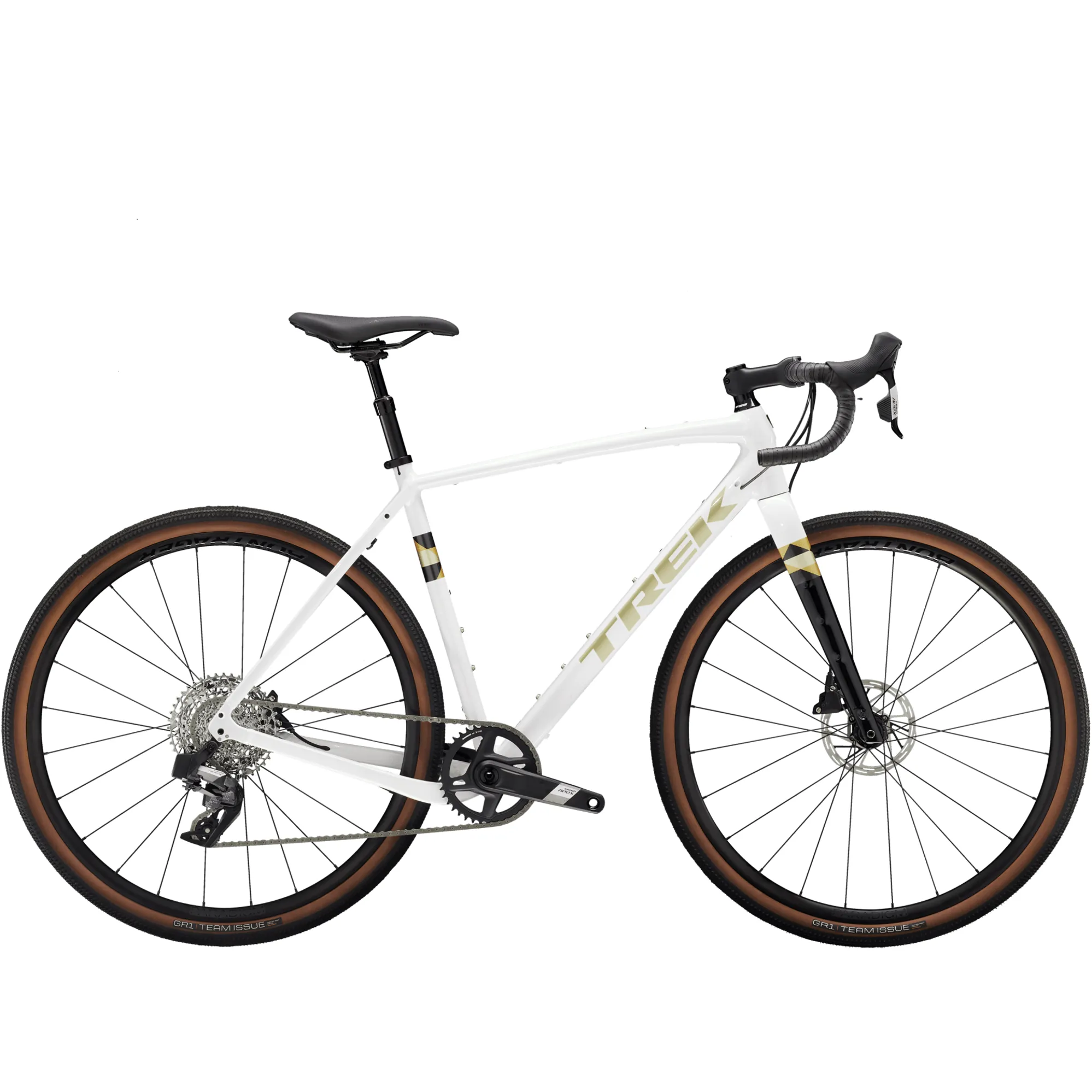
The first warm weekends expose what winter hid in the garage: bikes that no longer fit the rides people want to do. That is why the Trek Checkpoint ALR 5 gravel bike is pulling so much attention before trailheads, rail paths, and county roads get crowded again. American riders are not only shopping for speed. They want one bike that can take a cracked farm road, a Saturday charity ride, a crushed-limestone path, and a light overnight bag without acting confused. For readers who track practical gear and consumer trends, this is the kind of product surge that makes sense: the spec is useful, the price is still within reach, and spring gravel plans push people to buy before their size vanishes. The better question is not whether the buzz is loud. It is whether the bike fits the way Americans ride when pavement, dirt, weather, and family schedules all collide. The smart move is not panic buying. It is knowing why this model feels timely, where it shines, and what you should check before handing over a deposit.
Why This Gravel Bike Is Moving Before Peak Ride Weather
Bike demand has a seasonal heartbeat. It rises when riders stop talking about training plans and start booking events, mapping local routes, and checking whether their tires still hold air. The Trek Checkpoint ALR 5 sits in that narrow lane where a rider can spend serious money without feeling like the purchase belongs only to racers.
That timing matters. Many U.S. shops do not carry endless size runs in alloy adventure models. A Boston-area Trek retailer lists the 2026 Checkpoint ALR 5 Gen 3 at $2,299.99, with multiple sizes shown but availability dependent on selection, which is the kind of shop-floor reality buyers face before peak ride months.
The buying window also feels tighter because gravel riding is planned in layers. People sign up for spring fondos, mark local trail cleanups, and search for county roads that will not bury them in traffic. By the time the first warm Saturday arrives, the patient shopper may be choosing from whatever size is left.
The spring rush starts before the first dusty event
The funny part is that gravel season starts in the head before it starts on the road. By late winter, riders in places like Kansas, Vermont, Michigan, Arkansas, and Colorado are already thinking about tire width, bottle storage, and whether their old road bike can survive washboard chatter.
It might. It also might make the ride feel like punishment.
That is where the Trek Checkpoint ALR 5 gains ground. It does not ask a new gravel rider to explain race geometry or electronic shifting to a spouse at the kitchen table. It offers a known brand, an aluminum gravel frame, a carbon fork, 50mm tire room, and hydraulic braking in a package that feels ready for normal people with normal lives.
The non-obvious piece is this: the rush is not always driven by elite riders. It is often driven by practical riders who waited too long last year. They learned that a good size in a popular build can be harder to find than a higher-end model sitting above their budget.
You can see the pattern around local shop rides. A rider shows up in March on a narrow-tire road bike, gets bounced around for two hours, then spends Sunday night searching stock. The next week, three people in that group are doing the same thing. Demand can rise from one rough ride faster than from any ad.
Value feels different when a bike can cover four jobs
A bike that only works for one mood has to be special. A bike that works for many moods has to be honest. The Checkpoint feels closer to the second type.
You can ride it to work on Monday with a rear rack. You can take it on a crushed-stone path on Wednesday. You can join a local mixed-surface group on Saturday. You can add bags for a one-night trip when the forecast behaves. That range is what makes the buy feel safer for U.S. riders who may not have space for a road rig, a commuter, and a touring setup.
The spec backs that claim better than the marketing does. Retailer listings describe a 300 Series Alpha Aluminum frame, full carbon fork, rack and fender mounts, integrated frame bag mounts, and thru-axles, which points to a bike meant to carry more than a water bottle and good intentions.
That is why the value story lands. It is not cheap in the casual sense. It is less wasteful than buying the wrong machine, then fixing the mistake with upgrades six months later.
A buyer in Missouri, for example, might use the same bike for the Katy Trail, a weekday commute, and a rough charity ride outside Columbia. None of those rides demand a pro-level race frame. They demand control, mounting points, decent gearing, and comfort after mile forty. That is a different kind of value, and it is the kind many shoppers can feel before they can explain it.
The Build Makes Sense for American Mixed-Surface Routes
A lot of bike reviews talk as if riders live beside perfect test loops. Most people do not. They start from a driveway, roll across a suburb, dodge a bad shoulder, find a park road, then hit the gravel section they actually wanted. The build has to handle the boring miles before it earns the fun ones.
The Checkpoint is aimed at that mess. It is not trying to be a pure race weapon, and that is its edge. The parts lean toward range, control, and load-friendly use rather than one clean showroom number.
That approach matches American riding better than some glossy spec charts do. In one county, a “gravel route” may mean smooth limestone and open farm views. In another, it may mean washboard, sand, broken pavement, and dogs that take fence lines as personal challenges. A useful bike has to stay calm across all of it.
The aluminum frame is not the compromise some buyers think it is
Carbon still has the richer image. Nobody needs to pretend otherwise. Walk into a shop and the lighter frames draw eyes first. But for many riders, an aluminum gravel frame with the right fork and tire clearance can be the saner buy.
The Trek Checkpoint ALR 5 uses 300 Series Alpha Aluminum with a full carbon fork, based on current retailer specs. That pairing matters because the frame can take daily knocks while the fork helps reduce the sharp feel that often comes through the front end on rough pavement and loose stone.
Think about a rider in Pennsylvania who drives to a rail trail, clips a pedal on a rock, leans the bike against a diner wall, then loads it back into a hatchback next to muddy shoes. That rider may benefit more from a tough, well-shaped frame than from chasing a lighter material that adds stress to every scratch.
Here is the counterintuitive part: lower frame drama can make people ride more. A bike you are not afraid to scuff gets used in weather, on errands, and on strange roads. That matters more than a few saved ounces sitting clean in the garage.
The frame also gives newer riders permission to learn. You can practice loose descents, mount bags, add fenders, and make setup changes without treating the bike like a museum piece. That does not mean careless ownership. It means ownership with less fear.
The drivetrain choice favors range over flash
The current Gen 3 ALR 5 spec centers on SRAM Apex XPLR 12-speed, with a 40-tooth crank and an 11-44 cassette shown in retailer and review listings. That is not a show-off setup. It is a useful one.
The 1x layout keeps the cockpit simple. One shifter handles the rear range, and the rider does not have to think about front derailleur trim when the road changes from pavement to loose gravel. For a newer rider, that mental quiet is worth more than it sounds.
Does it have tiny road-racing jumps between each gear? No. That is the trade. On fast group rides, you may sometimes want a gear that sits between two cogs. But on rolling dirt, climbing with tired legs, or managing a loaded seat pack, the wide range feels more valuable than perfect cadence math.
The better question is not whether SRAM Apex XPLR is fancy. It is whether it matches the job. For most riders looking at this price point, it does.
There is also a maintenance angle. Mechanical shifting is easier for many riders to understand, and most shops can service it without drama during busy months. When you have a trip planned for Friday, boring repair access can feel better than a high-end feature you cannot fix in time.
What Buyers Should Check Before the Shop Has Your Size
Scarcity turns calm shoppers into poor decision-makers. A size appears online, a color looks good, and suddenly a rider who needed a medium is convincing himself that a medium-large will work with a shorter stem. That is how a smart purchase becomes an expensive lesson.
The Trek Checkpoint ALR 5 deserves attention, but it still has to fit your body and your rides. A strong spec cannot rescue a wrong size, a bad contact-point setup, or a wheel and tire plan that does not match your local ground.
The best buyers act like riders before they act like shoppers. They bring their route habits into the store. They ask about fit, tire changes, service timing, and what the shop can do before the first ride. That slows the purchase down in the right way.
Fit should beat color every single time
Color pulls people in. Fit keeps them riding. The current listings show colors such as Fjord Blue to Miami Green Fade and Bronze Age, and both are easy to like. But the correct size is the prize.
A rider between sizes should slow down. Gravel riding often means longer seated time, rougher surfaces, and more hand pressure than a short road spin around town. A reach that feels sporty for ten minutes can feel rude after three hours of chatter, headwind, and traffic crossings.
This is where a shop earns its money. Ask to compare stack, reach, stem length, handlebar width, and saddle position. Bring the shoes you ride in. Wear your normal shorts. Say where you ride, not where you wish you rode.
The strange truth is that a less aggressive fit can make you faster on mixed routes. You brake later when you feel in control. You eat and drink better when your hands are not numb. You finish the ride with enough body left to ride again next weekend.
A parking-lot test can still help, but it has limits. Smooth asphalt hides problems that gravel exposes. If the shop offers a longer fit session or lets you return for small adjustments after the first few rides, take that option. Future comfort is worth more than a quick checkout.
Tires and wheels decide more rides than the frame badge
The stock setup is friendly for fast dry routes. BikeRadar’s review notes Bontrager Paradigm 23 tubeless-ready wheels and Bontrager Girona Pro 700x42mm tires, while also pointing out that the tires suit road and fast gravel better than muddy terrain.
That detail should shape your buying plan. If you ride Iowa rollers, hardpacked rail trails, and dry forest roads, the stock rubber may feel quick and clean. If your routes include wet clay, deep pea gravel, or rutted farm lanes, plan a tire change before you blame the bike.
Tubeless setup is worth asking about at purchase. A shop may include sealant setup or charge for it. Either way, a clean tubeless install can reduce small puncture headaches on thorny shoulders and crushed-stone paths. It also lets you lower pressure for comfort and grip.
For a practical next step, use a gravel cycling gear guide before you buy extras. Bags, pedals, cages, lights, and tires can add up fast. Buy the pieces that match your first ten rides, not the fantasy trip you may never take.
Wheel choice is not only about weight, either. Serviceable hubs, common spokes, and a rim width that supports larger tires can matter more on a regional trip than a lighter upgrade wheel. A bike shop in Nebraska or North Carolina may save your weekend because your parts are normal.
How to Set It Up for Real Rides, Not Parking-Lot Hype
The first ride after buying a new bike is often too short to teach you much. Everything feels sharp because it is new. The smarter test comes after a few rides, when you know where your hands hurt, whether the saddle agrees with you, and whether the tires match your roads.
This is the setup phase many buyers skip. They spend weeks choosing the bike, then treat the fit, pressure, bags, and safety gear as afterthoughts. That is backwards.
A good setup also keeps the bike from becoming a pile of upgrades. The goal is not to buy every bag and accessory in the store. The goal is to make the ride disappear beneath you, so your attention goes to the route, the weather, and the people you came to ride with.
Small setup choices change the whole personality
Start with contact points. Saddle height, saddle tilt, reach to the hoods, bar angle, and tape feel can turn the same bike from twitchy to calm. Do not assume the first shop-floor setup is final.
Then work on tire pressure. A 180-pound rider on 42mm tires does not need the same pressure as a 135-pound rider carrying no bags. Your best number also changes with route surface. A chalky farm road, a paved commute, and a chunky fire road all ask for different feel.
Add bags with restraint. The frame has mounts for racks, fenders, bottles, and gear, but empty mounts are not a problem. A top-tube bag for snacks and keys may help more than a full luggage system on local rides. A rear rack may make sense for commuting. Fork bags should wait until you know you need them.
A good bike maintenance checklist matters here. Check axle tightness, brake rub, tubeless sealant, chain lube, and bolt torque after the first few rides. New bikes settle. Quiet problems are easier to fix before they become trailhead problems.
Keep a small note on your phone after each ride. Write tire pressure, route surface, hand comfort, and any noise you heard. After four rides, patterns appear. That is how a rider builds a setup, not by guessing from a forum thread written for a different body and a different county road.
Safety gear is part of the build, not an accessory pile
Mixed-surface riding often begins and ends on public roads. That means the safest setup is not only about tires and bags. It is about being seen, stopping with control, and riding predictably around drivers who may not expect a cyclist to leave the bike lane for broken pavement.
The National Highway Traffic Safety Administration tells riders to use a bike that fits, make sure it works, wear a helmet, add visible gear, and use front and rear lights when visibility is poor. It also reminds riders on roads to follow the same rules and duties as motorists. NHTSA bicycle safety guidance
That advice sounds plain until you are ten miles from home with fading light and a shoulder full of gravel. Then plain advice becomes the ride home.
Hydraulic brakes help, but they do not cancel bad habits. Wide tires add control, but they do not replace line choice. A capable bike gives you room to recover from small mistakes. It should not invite bigger ones.
Lights deserve special attention in the U.S. because many great routes pass through town edges, state roads, and farm crossings. A bright rear light in daytime can help a driver place you sooner. A front light is not only for seeing after sunset. It also tells traffic that you belong on the road before the gravel starts.
Conclusion
The rush around the Checkpoint makes sense because it sits in the sweet spot between ambition and restraint. It is serious enough for long mixed-surface days, yet still practical enough for commuting, fitness rides, and weekend wandering. The Trek Checkpoint ALR 5 gravel bike is not the only smart choice in this category, but it has the mix many American riders want when spring plans start turning into calendar dates. The key is to buy it for the right reason. Do not chase it because a size chart says one shop is low or because a color looks good in a phone photo. Chase it because the fit works, the spec matches your routes, and the setup can grow with you over the next few seasons. Ask the shop to help with sizing, tubeless setup, and first-month adjustments before you focus on upgrades. If that lines up, call your local Trek dealer, ask the hard fit questions, and lock in the build before the ride you want becomes the bike you missed.
Frequently Asked Questions
Is the Trek Checkpoint ALR 5 worth buying for a first gravel setup?
Yes, it makes sense for many first-time mixed-surface riders because it balances price, comfort, tire room, mounts, and dependable parts. It is not a bare beginner model, so you get room to grow without jumping straight into a carbon race build.
How much does the Trek Checkpoint ALR 5 Gen 3 cost in the USA?
Current U.S. retailer listings show the 2026 Gen 3 model around $2,299.99, though final cost can change by shop, tax, delivery, assembly, and any added accessories. Always confirm live pricing with a local dealer before making a decision.
What tire size comes stock on the Checkpoint ALR 5?
Current specs list Bontrager Girona Pro Tubeless Ready tires in 700x42mm. That is a quick, versatile size for pavement, hardpack, and many dry dirt roads. Riders in muddy or loose regions may want a more aggressive tread.
Can the Checkpoint ALR 5 handle bikepacking?
Yes, it is built with multiple mounts for bags, racks, bottles, and fenders, so light bikepacking is a natural use. The best setup depends on load weight and route difficulty. Start small before adding fork bags or a full rear load.
Is aluminum good enough for long gravel rides?
Yes. A well-designed alloy frame with a carbon fork and wider tires can feel controlled and comfortable for long days. Carbon may save weight, but alloy can offer better value and less worry for riders who travel, commute, or ride rough roads.
Does the SRAM Apex XPLR drivetrain have enough climbing range?
For most recreational and adventure riders, yes. The 1x 12-speed setup pairs a 40-tooth chainring with a wide 11-44 cassette, giving low enough gearing for many steep dirt climbs while keeping shifting simple across changing surfaces.
What should I upgrade first after buying one?
Tires should be the first upgrade if your local routes are muddy, chunky, or loose. After that, focus on contact points: saddle, bar tape, pedals, and fit. Those changes affect comfort more than cosmetic upgrades or weight-focused parts.
Should I wait for a sale or buy before spring?
Waiting can save money, but it can also cost you the right size. If the fit is confirmed and your local shop has the color and size you want, buying before peak ride months may be smarter than hoping for a discount later.