
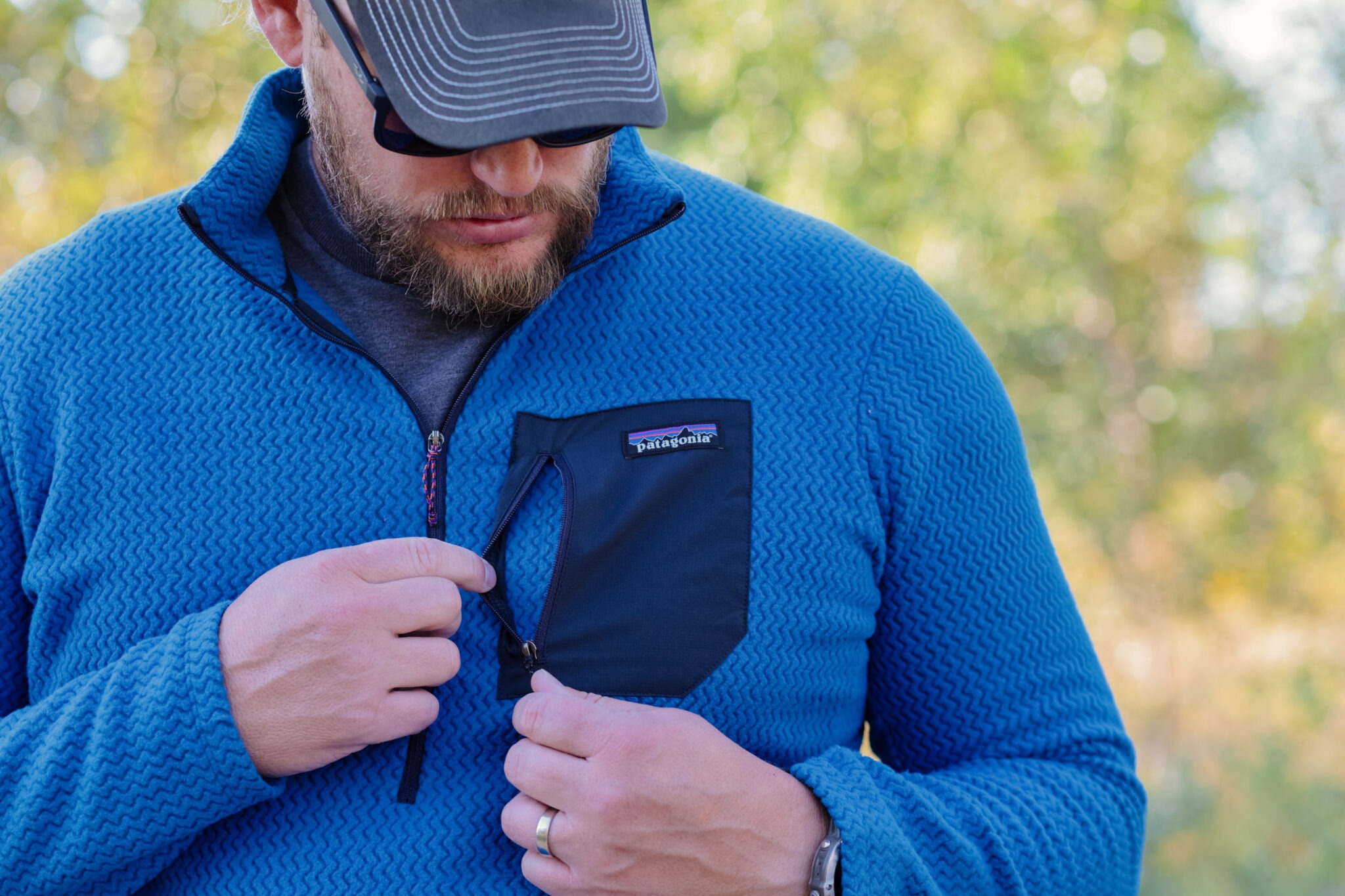
Cold-weather gear shoppers know the odd little thrill of seeing a premium fleece fall into reach. For shoppers tracking the Patagonia R1 Air, the appeal is simple: a technical layer with a serious outdoor record is moving into clearance territory, which means the decision shifts from “Do I need it?” to “Will my size last?” Deal watchers who follow outdoor gear pricing updates already know how fast trusted fleece pieces can disappear when common colors and everyday sizes get marked down. This is not a bulky cabin sweatshirt pretending to be mountain gear. It is a full zip fleece jacket built for motion, quick venting, and cold mornings that do not stay cold all day. Patagonia lists the men’s R1 Air fleece jacket at $165, while the related full-zip hoody sits at $199; REI listings have shown select full-zip hoody options dipping as low as $93.83 in limited women’s sizes and colors. The deal matters because this kind of technical fleece layer earns its place in a closet, not because a red sale tag says so.
Why the Patagonia R1 Air Price Drop Feels Different
Most fleece markdowns are not worth a second look. A pile jacket gets another color, a store clears odd sizes, or a brand trims last season’s stock before the next wave arrives. This one feels different because the jacket already had a clear job before the discount showed up. It was not made to sit in a drawer until a camping trip. It was made for the messy middle: walking the dog before work, packing for a Colorado weekend, riding a bike in 45-degree air, or layering under a shell when a windy trail turns mean. The price drop feels sharper because the jacket does not ask you to create a fantasy life around it. It fits into the life many buyers already have.
The markdown matters because the jacket was never a bargain-bin fleece
A clearance fleece deal only feels useful when the lower price does not come with lower expectations. Here, the normal retail range sits well above cheap fleece rack territory. Patagonia’s own product page describes the jacket as lightweight, breathable, and quick drying, with 100% recycled polyester and Fair Trade Certified factory production. That gives the markdown a different shape.
You are not paying less for a mystery layer. You are paying less for a known design with a clear reason to exist. That matters for U.S. shoppers who buy one good midlayer and expect it to handle fall errands, spring hikes, chilly soccer sidelines, and airport travel without looking too outdoorsy for daily life. It also matters because this type of purchase sits in that awkward price zone where buyers hesitate. Full retail feels like a treat. A strong clearance price can make it feel like a tool.
The non-obvious part is that warmth is not the only value here. Cheap fleece can feel cozy in the store and then turn swampy after ten minutes of walking uphill. A good technical fleece layer has to hold some heat while letting heat escape. That balance is why the discount catches attention. You are buying comfort across motion, not maximum warmth in a dressing room mirror.
The catch is size, color, and timing
Clearance never treats shoppers equally. The person who wears medium in black has a different fight than the person who wears XXL in an odd green shade. Once a full zip fleece jacket drops hard, the good sizes often vanish first, then the color choice gets strange, then the remaining stock becomes a guessing game. That is why the best deal can still feel annoying. The price is public, but the chance to buy the right version is not shared evenly.
That does not mean you should panic-buy. It means you should check the boring details before you celebrate the price. Confirm whether the listing is for the jacket, the hoody, a kids’ version, or a zip-neck. Retailers often place the family of R1 products close together, and a fast shopper can grab the wrong cut. This is especially easy during holiday sale pages, where filters reset and similar photos blur together.
Here is a simple rule: if the price looks far lower than expected, slow down for thirty seconds. Check gender category, hood status, return policy, sleeve length, and whether the product image matches the title. Those thirty seconds can save you from owning the right fabric in the wrong shape. The bargain only works when the piece you receive matches the use you had in mind.
What This Full Zip Fleece Jacket Gets Right
The best reason to care about this jacket is not the logo. It is the way the piece handles changing output. A basic fleece can feel fine when you stand still, then too hot when you move, then clammy when the wind hits. This design aims at the narrow lane between a cozy layer and a workout layer. That lane is where many Americans spend real time, even if they never call it outdoor performance. If you are sorting through best hiking midlayers for spring trips, this is the kind of piece that explains why one layer can cost more than another without needing flashy features.
Breathability changes how you wear it
The fabric’s zigzag texture is not decoration. It creates open channels that help move heat and moisture away from the body. Independent testing from OutdoorGearLab called the full-zip hoody version lightweight and highly breathable, praising its hollow-core fibers and fit under shells or over base layers. That kind of detail matters when your day changes pace.
Think about a Saturday in Asheville, Salt Lake City, Denver, or Burlington. You start at a coffee shop, drive to a trailhead, climb for an hour, then sit outside for lunch. A cotton hoodie feels friendly at the start and wrong halfway up the hill. A rain shell alone blocks wind but traps sweat. This fleece sits in the middle and keeps the day from becoming a clothing puzzle. It gives you enough warmth to begin, then enough airflow to keep going.
The surprise is that breathability can make a fleece feel less warm at first touch. That is not a flaw. It means the piece is trying to manage heat across movement, not win a living-room softness contest. If you run cold while standing still, pair it with a light wind shell. If you heat up fast, wear it over a thin base layer and let the zipper do its work. The better test is not how it feels for five seconds indoors. The better test is how often you stop fussing with your layers outside.
The full zipper is more useful than it looks
Quarter-zip fleece has its fans, and pullovers feel cleaner under a pack. Still, a full front zipper changes how often you reach for a layer. You can open it on a steep climb, close it at the summit, take it off in a car seat, or throw it over a T-shirt when you step out before sunrise. Small moves add up. The design is not dramatic, which is part of the point. It works because it gets out of your way.
The full zip fleece jacket also behaves better indoors. Office air conditioning, grocery runs after a hike, and school drop-off mornings rarely need a full cold-weather setup. A full zip lets you adjust without the awkward overhead tug that messes up hats, glasses, earbuds, or hair. For travel days, that can be the difference between wearing a layer and carrying it around your waist like an afterthought.
That sounds minor until you live with it. A piece that adjusts fast gets worn more, which lowers its cost per wear. A cheaper pullover that stays home because it is annoying becomes the costly one. That is the quiet math most sale pages do not show. The best gear is not always the most technical item you own. Often, it is the one you keep grabbing before leaving the house.
Who Should Buy It During a Clearance Fleece Deal
A good discount can make almost anything tempting, so the better question is fit. Not body fit. Life fit. This jacket makes the most sense for people who move between climates, speeds, and settings. It is less ideal for someone who needs a windproof outer layer, a heavy winter jacket, or a plush couch fleece for movie nights. Start with your week, not the sale page. If your normal routine includes cool starts, warm afternoons, car rides, dog walks, light hikes, or travel, the case gets stronger.
Best fit for hikers, commuters, and shoulder-season travelers
The strongest buyer is the person who hates overpacking. For a long weekend in the Pacific Northwest, one technical fleece layer can cover an early walk, a cool ferry deck, a damp forest trail, and a casual dinner with a shell over it. For a Midwest commuter, it can sit under a coat in January and work alone in October. For a student walking across a windy campus, it can bridge the gap between hoodie comfort and outdoor function.
It also makes sense for hikers who already own a rain shell. Pairing breathable fleece with a shell gives you more control than wearing one thick insulated jacket all day. You can split warmth and weather protection into two pieces, then adjust as the weather shifts. That idea shows up in any smart guide to layering outdoor clothing for cold mornings, but it becomes clearer when you feel it on a real trail.
Parents may get more use from it than they expect. Sideline mornings, playground stops, and quick errands punish clothing that only works in one setting. A clearance fleece deal on a light technical piece can beat a cheaper fashion fleece because it stays useful after the first cold snap passes. The jacket does not need a mountain to make sense. It needs a life with uneven temperatures.
Who should skip it, even at a lower price
Some shoppers should walk away. If you need strong wind blocking, this is not the layer to buy as your outer defense. Breathable fleece lets air move, and moving air is exactly what makes it comfortable during output. On a gusty Chicago platform or a coastal Maine overlook, you will want a shell over it. Without that second layer, you may mistake airflow for weakness.
You should also skip it if you want a relaxed, roomy sweatshirt feel. Technical fleece often fits closer to the body because it has to layer under jackets and move moisture well. Size up only if the return policy gives you room to test. A baggy fit can make the fabric less effective under a shell. It can also bunch at the waist, which is the kind of small irritation that makes people stop wearing good clothing.
The counterintuitive advice is this: the bigger the discount, the more honest you should be. A low price does not fix a poor match. If you rarely wear fleece, dislike slim layers, or need heavy warmth for standing still, your money may do more work elsewhere. A sale is only a win when the item solves a problem you already had. Anything else is closet clutter with a better receipt.
How to Check the Deal Before Your Size Disappears
Once the price gets interesting, the shopper’s job is simple but not mindless. You need to confirm the version, compare the real street price, and decide whether the remaining color is something you will wear after the rush fades. Clearance shopping rewards speed, but it punishes sloppy clicks. The trick is to move fast on the decision you already understand, not fast because a timer or sale banner made your pulse jump.
Compare the jacket, hoody, and older colorways
The R1 family includes jackets, hoodies, pullovers, vests, and kids’ pieces. Retail pages can stack them near one another, especially during broad seasonal sales. REI’s R1 category, for example, has shown the men’s full-zip hoody at $189 to $199, the women’s full-zip hoody from $93.83 to $199, and the men’s jacket at $165 in the same product family. The numbers only mean something when you know which item you are viewing.
Check whether the listing says jacket or hoody. The hood adds warmth and weather range, but it can add bulk under a helmet or shell collar. The jacket version can feel cleaner for office use and travel. Neither is better for everyone. A climber may want the hood. A commuter may prefer the cleaner collar. A frequent flyer may care most about how flat it packs in a carry-on.
Colorway matters too. Older colors often carry the deepest markdowns. That is fine if you like the color. It is not fine if you buy a shade you will avoid wearing. One honest question helps: would you still pick this color if it cost full price? If the answer is no, the deal needs to be strong enough to overcome that hesitation. The wrong color is not harmless if it keeps the jacket on a hook.
Look past the discount sticker
A sale badge can hide weak value. Compare the clearance price against current listings from Patagonia, REI, Backcountry, and any trusted outdoor retailer you already use. Be careful with marketplace listings, because odd pricing, used condition, and shipping fees can muddy the picture. A low sticker price can lose its shine after return shipping or a no-return policy. A real deal should survive the full checkout math.
The official product page is a useful baseline because it confirms the current retail price, fabric, fit notes, and feature set before you judge the markdown. Patagonia lists the men’s jacket as slim fit, made from recycled polyester jacquard fleece, with a full-zip front and zippered pockets. That baseline helps you spot whether a retailer is selling the same model or a nearby cousin.
One more thing: check care habits. Technical fleece can last for years, but it still needs normal laundry discipline. Washing warm, avoiding bleach, and drying low are not glamorous details, yet they protect texture and shape. The best markdown is the one you are still glad you bought three winters from now. If the jacket can handle your routine, the lower price becomes more than a nice receipt. It becomes a smart repeat-use purchase.
Conclusion
A strong fleece deal should feel practical after the sale excitement fades. This one has a better case than most because the jacket fills a real gap between soft casual fleece and stiff weather gear. It can ride in a backpack, sit under a shell, handle cool commutes, and look normal enough for daily errands. That is why the Patagonia R1 Air matters most at this price: it turns a premium midlayer from a nice idea into a smarter buy for people who will wear it often. Think in seasons, not one checkout. A jacket that works in October, February, and April has more value than a heavier layer that only earns a few cold days. Still, the right move is not blind speed. Check the exact version, compare the current retail baseline, study the return policy, and be honest about color and fit. A technical fleece layer should work hard across many small moments, not one imagined trip. If the size and price line up, add it before the common options disappear.
Frequently Asked Questions
How much should I pay for this Patagonia fleece on clearance?
A strong clearance price should sit well below the usual $165 to $199 range, depending on whether you are buying the jacket or hoody. Under $120 is appealing for many shoppers, while under $100 in a wearable size and color is rare enough to check fast.
Is the full zip fleece jacket warm enough for winter?
It works best as a midlayer, not a stand-alone winter coat. Wear it under a wind shell, rain shell, or insulated jacket when temperatures drop. Alone, it shines in cool weather, active use, and shoulder-season days where heavy insulation feels like too much.
Does this fleece fit true to size?
Expect a closer technical fit rather than a loose sweatshirt shape. That helps it layer under shells and move moisture away from the body. If you prefer room for thicker base layers, check the retailer’s size chart and return policy before choosing between sizes.
Is the hoody better than the jacket version?
The hoody is better for trail use, cold starts, and extra head coverage. The jacket is cleaner for commuting, travel, and layering under collars. Choose based on where you will wear it most, not which one has the bigger markdown.
Can I wear this fleece for running or cycling?
Yes, for cool conditions and moderate effort, especially when you need warmth without heavy bulk. For hard workouts, you may still overheat. The full zipper helps control airflow, which makes it more flexible than a pullover during changing pace.
Why do some colors cost less than others?
Retailers often mark down older or slower-selling colors first. Common shades and popular sizes tend to hold price longer because they sell with less help. A lower price on one color does not always mean the whole product line is discounted.
What should I compare before buying?
Compare the exact model name, hood status, size range, return policy, shipping cost, and current retail price. Also check whether the item is new, outlet, past-season, or final sale. A discount matters less if exchanges are difficult.
Is this a good travel fleece for U.S. trips?
Yes, especially for trips with mixed weather. It packs better than bulky fleece, layers cleanly under a shell, and works for airports, road trips, hikes, and cool evenings. For windy destinations, bring a light shell so the fleece is not your only barrier.