
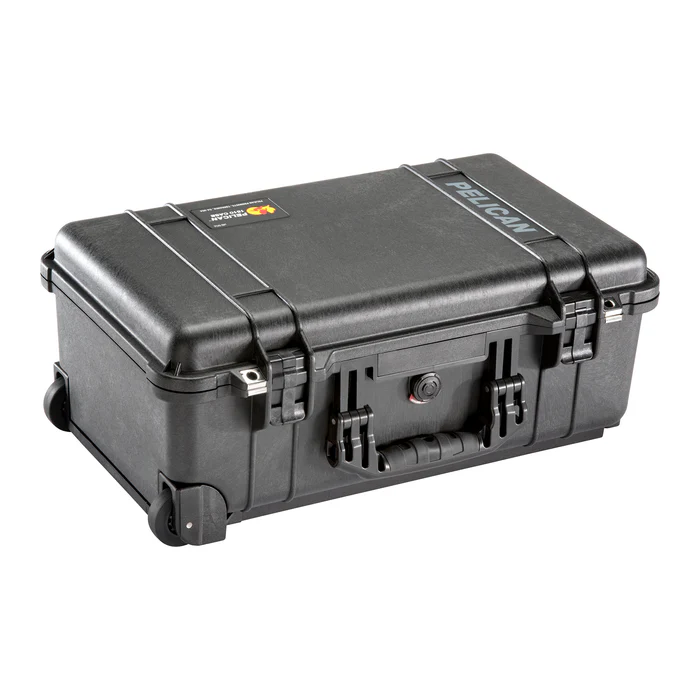
Camera bags have a way of exposing weak decisions at the worst possible time: a wedding load-in, a wet sideline, a curbside shuffle at LAX. The Pelican 1510 is getting fresh attention because it answers a plain question photographers keep asking: can one carry-on hard case protect expensive gear without turning travel days into a wrestling match? The prompt frames that attention around the photography community, which fits the way working shooters talk about cases after rough trips, not showroom demos. For U.S. photographers, the appeal is less about hype and more about trust. This is a carry-on hard case built for bodies, lenses, batteries, audio kits, compact lights, and the small odd pieces that keep paid work from falling apart. If you follow field-tested gear coverage, you know the pattern: pros do not praise gear for looking tough. They praise it when it saves a job. The 1510 sits in that useful middle ground between a soft roller that feels easier and a heavy trunk that belongs in checked baggage.
Why Photographers Are Treating This Carry-On Hard Case Like Work Gear
The sudden interest makes sense once you look at how U.S. photographers move now. A local portrait shooter may be in a studio on Monday, a corporate lobby on Wednesday, and a regional flight by Friday. A soft bag can feel friendly until it gets shoved under a folding table, dragged over gravel, or stacked under someone else’s stand bag. That is where the hard-shell case earns its place.
Protection matters most when the day is ordinary
The bad trips are easy to remember. Rain at a high school football game. A rushed gate agent. A client site with no safe staging area. Yet the case often proves itself on normal days, when nobody posts a dramatic story and nothing breaks.
That is the hidden reason photographers like a camera gear case with a rigid shell. It lowers the number of small decisions you make under pressure. You do not have to baby every lens while carrying two light stands and a coffee. You can set the case down, open it flat, and work from a known layout.
Pelican lists the 1510 Protector Carry-On Case as watertight, crushproof, and dustproof, with an O-ring seal, pressure equalization valve, stainless steel hardware, and polyurethane wheels with stainless steel bearings. The official exterior size is 22 x 13.81 x 9 inches, while the interior is 19.75 x 11 x 7.6 inches. Those numbers explain the interest better than any social post. It is large enough for a serious kit, yet still aimed at cabin travel.
The key is that protection is not only about impact. It is about keeping your kit in the same condition from driveway to delivery. Dust in a lens cap, a loose battery rolling into a filter pouch, a cable bent under a body grip: these little things steal time. Hard walls and a fixed layout keep the day calmer.
A rolling camera case changes how you pack
Photographers often buy cases thinking only about protection. After a month of use, the bigger gain is rhythm. A rolling camera case can become a portable drawer system instead of a padded sack full of small guesses.
That changes the morning before a job. A mirrorless body lives in one slot. The 24-70mm has its own lane. Batteries face upward. Audio gets one corner. Filters no longer hide at the bottom of a pocket with gaffer tape lint stuck to the pouch. It sounds fussy until a client asks for one extra angle and you find the exact lens in five seconds.
The counterintuitive part is that a heavier case can make the day feel lighter. Not on stairs. Stairs still punish you. But across airports, parking decks, convention centers, and hotel hallways, wheels beat shoulder strain. A 14-pound empty hard case may sound high on paper, yet dragging organized weight can be easier than wearing messy weight for eight hours.
This is why the case has a strong pull for hybrid creators too. Many photographers now shoot stills, short video, and behind-the-scenes clips on the same job. That means a small mic, recorder, compact LED, phone clamp, and extra cables may ride beside lenses. A soft bag can handle that mix, but a case with planned compartments makes the extra media work feel less chaotic.
How Pelican 1510 Fits Air Travel Without Feeling Like Luggage
The real travel question is not whether a case looks compact. It is whether it fits the strange space between published airline rules, overhead bins, gate agents, and regional aircraft. That space is where photographers get nervous. Nobody wants a camera body, two lenses, and cards full of work forced into the hold.
Carry-on size is useful, not magic
The 1510 is sold as a maximum airline carry-on size case, but Pelican also tells buyers to check exact airline requirements. That warning matters because U.S. carry-on rules are not one single TSA measurement. The TSA says carry-on size restrictions vary by airline, and the FAA explains that many airlines use 45 linear inches as a common limit.
In plain terms, this case sits near the familiar 22 x 14 x 9 inch U.S. carry-on zone. That helps on major carriers, especially when you board early and overhead bins are open. It does not promise peace on every small jet, budget fare, or crowded final boarding group. A photographer flying from Dallas to Denver may have no issue. A shooter connecting into a small college town on a regional aircraft may still face a gate-check conversation.
That is why the case should be packed like it might stay with you, yet planned like it might be challenged. Keep the gear you cannot lose inside. Put clothing, clamps, or less fragile extras somewhere else. The best travel setup is not the one that wins an argument at the gate. It is the one that avoids needing the argument.
A useful rule is to pack the case as if a stranger may handle it for five minutes, even if your plan is to carry it on. That does not mean accepting a gate check as harmless. It means using tight dividers, caps, small pouches, and locks where allowed. The better your inside layout, the less one rough moment can do.
The airport test starts before security
Many buyers focus on overhead bins, but the airport test begins sooner. Can you lift the case into a rideshare trunk without scraping your knuckles? Can you roll it through a parking garage expansion joint? Can you open it at a hotel desk without dumping half your kit into the chair?
This is where the boxy shape helps. A soft roller often has curves, pockets, and bulges that steal usable space. A hard case wastes less attention. You know the walls. You know the corners. You know how it stands when the floor slopes.
One practical example: a wedding photographer flying from Chicago to Phoenix can pack two camera bodies, a standard zoom, a portrait prime, a wide lens, batteries, chargers, cards, and a compact flash trigger kit with dividers. The case is not a full studio. It is the safe core. Stands, modifiers, and spare clothes can go checked or shipped. That split reduces panic because the creative heart of the job stays within arm’s reach.
For more planning depth, pair this with camera travel packing tips before you build your first layout. A smart layout beats a stuffed layout every time.
The airport also exposes one habit many photographers overlook: where they place the case while working. At security, at the gate, and at the rental counter, a hard case becomes a small platform. You can set a backpack on top, check a tag, or move a jacket without opening the main gear area. That small flat surface is not a listed feature, but frequent travelers notice it.
Interior Layout Choices Matter More Than the Shell
The shell gets the attention because it looks tough. The inside decides whether you enjoy using it. That is the part first-time buyers often get wrong. They spend money on protection, then treat the interior like a junk drawer with foam.
Foam is simple, but it locks you into today
Pick-and-pluck foam feels satisfying on day one. You shape slots around your gear, drop each piece into its nest, and admire the clean grid. For a fixed kit, that works. A real estate shooter with one body, two lenses, a flash, and a trigger may get years of clean use from foam.
The tradeoff shows up when your kit changes. You sell a DSLR body and switch to a smaller mirrorless system. You add a second prime. You start carrying a compact audio recorder for reels and client interviews. The old foam does not adapt. You either cut more, patch gaps, or buy a new set.
Pelican offers the case with several interior options, including foam, no foam, padded dividers, and TrekPak-style dividers. That choice matters because the best camera gear case is not always the most padded one. It is the one you can keep organized as your work changes.
There is also a cleanliness issue. Foam can shed, catch grit, and hold the shape of old decisions. That may not bother a hobby shooter, but it can annoy someone who swaps gear twice a week. A fixed foam layout can make you feel protected while quietly making your kit harder to update.
Dividers reward photographers who change jobs often
A divider system costs more upfront, but it may fit the way many working shooters live. One weekend is an engagement session. The next is product work. Then comes a small documentary shoot with audio and batteries taking up more space than expected. Fixed foam hates that life.
Dividers also make cleaning easier. Dust, grass bits, and crumbs from a travel day can get trapped inside foam. With dividers, you can pull pieces, wipe surfaces, and rebuild the layout. It is not glamorous. It matters after a beach shoot or a rainy sports assignment.
The non-obvious benefit is mental. A flexible interior helps you pack by job, not by ownership. You stop asking, “How do I fit all my gear?” and start asking, “What does this shoot require?” That one shift keeps the case from becoming an expensive storage box. It becomes part of pre-production.
A good starter layout is simple: camera bodies near the handle side, heavier lenses low, batteries in a small pouch, cards in a sealed wallet, and one open slot for last-minute changes. Leave space on purpose. Empty space feels wasteful until the client hands you a product sample, a hard drive, or a mic pack that needs to ride safely.
Color and contrast matter inside the case too. Dark gear in a dark case can disappear in a dim reception hall or backstage room. Some divider kits make small items easier to spot. That sounds minor until you are searching for one battery door at 10:40 p.m. while a planner is asking when previews will be ready.
Where It Wins, Where It Annoys, and Who Should Skip It
No case deserves blind praise. The 1510 is loved because it solves a real problem, but it also creates a few of its own. Honest buyers should look at both sides before paying for a hard case that may follow them for years.
The wins are boring in the best way
The strongest praise for a protective case is dull: nothing happened. The lens arrived clean. The body did not shift. The cards stayed dry. The case rolled into the venue, opened, worked, closed, and rolled out. Boring is the point.
For a U.S. photographer doing paid work, boring can be worth more than extra pockets. A senior portrait session at a park can turn into wind, dust, and wet grass. A church wedding can mean a cramped prep room where bags are stacked near makeup cases and garment bags. A corporate shoot can park you near a loading dock with concrete floors and no soft place to stage gear.
The 1510 also looks like work gear, not fashion luggage. That can be good or bad. At a commercial site, it reads as professional. At a crowded airport, it may draw attention from people who know what hard cases carry. Use locks where allowed, keep the case near you, and avoid turning the outside into a billboard for expensive camera brands.
A 2026 Digital Camera World guide still lists the Protector 1510 among strong hard cases for camera users, especially for interior choices and cabin-friendly sizing. That kind of staying power matters. Some gear trends fade after one season. A case earns loyalty when people keep using it after the new-purchase shine wears off.
The annoyances are worth naming before you buy
Weight is the first complaint. A hard case with dividers and gear can get heavy fast. If your work involves subway stairs, walk-up apartments, or old venues with no elevator, a backpack may serve you better. The wheels help on smooth ground, not on every surface.
The second issue is speed in tight rooms. A hard case wants floor space. A soft shoulder bag can hang from a chair or sit half-open under a pew. A hard roller needs a landing zone. If you often work in tiny prep rooms, crowded press pits, or fast street settings, the case may become a base station instead of an active shooting bag.
That is not a flaw. It is a role. The case is strongest as your protected core, then a smaller sling or belt system handles movement during the shoot. Many photographers miss that split and expect one container to do every job. One container rarely does.
For a deeper gear workflow, connect this idea with professional photography gear organization. The case is only one part of how you protect time, attention, and paid deliverables.
The easiest way to decide is to picture your worst normal workday. Not a disaster. A normal bad day. Rain, a late client, a full parking lot, one elevator out, and a second location added by text. If a rolling hard case would make that day steadier, it belongs on your list. If it would slow you down, admire it from a distance.
Conclusion
The hard case trend says something about photographers right now. Gear has become smaller, but assignments have not become simpler. You may carry mirrorless bodies instead of old full-frame bricks, yet you still juggle batteries, audio, cards, compact lights, client drives, chargers, and travel pressure. That is why a tough carry-on can feel so appealing.
The Pelican 1510 belongs in the conversation because it gives photographers a protected, organized core that can move from home office to airport to job site without much drama. It is not the best fit for every shooter. Backpack-first travelers, street photographers, and anyone climbing stairs all day may want a lighter setup. But for working photographers who need their main kit to arrive in one piece, the value is clear.
Do not buy it because the photography crowd is talking. Buy it only if your work has reached the point where a failed bag would cost more than a stronger case. Measure your airline limits, choose the interior with care, and build a layout around your real shoots. Protect the work before the work begins.
Frequently Asked Questions
Is this case worth it for beginner photographers?
It can be worth it if your camera kit already costs enough to hurt if damaged. Beginners with one body and one lens may be fine with a padded shoulder bag. The case makes more sense once you carry several lenses, batteries, chargers, and paid-session gear.
Can it fit under an airplane seat?
Usually, no. It is built around overhead-bin travel, not under-seat storage. Some aircraft layouts vary, but you should plan for the overhead bin and board with that in mind. Keep small must-have items in a personal bag in case bin space runs out.
What camera gear can fit inside?
A common setup can include two mirrorless bodies, two to four lenses, batteries, cards, chargers, filters, and small accessories. The exact fit depends on foam or divider choice. Large telephoto lenses, full-size flashes, and audio kits may require a tighter layout.
Is foam or dividers better for photography?
Dividers are better for changing kits because you can rebuild the layout for each job. Foam is better when your setup rarely changes and you want a snug custom fit. Many working photographers prefer dividers because assignments shift from portraits to events to travel.
Does the case count as carry-on luggage?
It is designed near common U.S. carry-on dimensions, but airlines make the final call. Check your airline before flying, especially on regional aircraft or budget fares. Wheels and handles can matter in sizers, so measure the full outside before leaving home.
Is it too heavy for wedding photographers?
It depends on the venue. For hotels, ballrooms, churches, and smooth walkways, the wheels help a lot. For stairs, outdoor hills, and tight prep rooms, it can feel clumsy. Many wedding photographers use it as a base case, then shoot from a smaller bag.
Can a laptop fit inside with camera gear?
A laptop can fit only if you plan the interior around it or use a version built with laptop storage. A standard divider setup may not protect a laptop well unless you add a sleeve. For travel work, many shooters keep the laptop in a personal backpack.
What is the best reason to buy this case?
The best reason is predictable protection for gear that must arrive ready to work. It is not about owning the toughest-looking case. It is about reducing travel stress, keeping your layout repeatable, and protecting the part of your kit that cannot fail on paid jobs.