
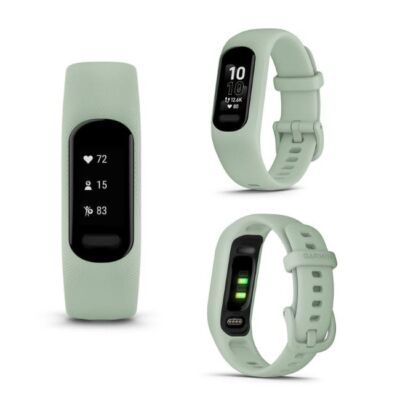
A small wristband can say a lot about how you live, but the price has to make sense before it earns a spot on your arm. The Garmin Vivosmart 5 now sits in a sharper value zone for U.S. shoppers who want health tracking, sleep data, stress readings, and basic workout support without paying smartwatch money. That matters because the band was never trying to be flashy. It was built for people who care more about useful numbers than a bright screen. For deal-watchers following consumer tech pricing coverage, the bigger story is not a wild markdown. It is that this tracker feels easier to justify when it sells near the same range as simpler bands, while still feeding data into Garmin’s stronger health platform. Current public listings place the device around the mid-$140 to $150 range, close to its $149.99 launch price, so buyers should treat any deeper discount as the real buying signal.
What This Price Drop Means for Everyday Fitness Buyers
Price changes only matter when they change the buying decision. A tracker that feels overpriced at one number can feel sensible ten dollars lower if it saves you from monthly app fees, bad battery habits, or a screen you never wanted in the first place. That is the lane this Garmin band occupies. It is not a tiny phone for your wrist. It is a quiet health log, and that makes the new fitness tracker deal conversation more practical than exciting.
Why the value feels different below smartwatch territory
The launch price put this band in a tricky place. At $149.99, buyers could look sideways at older GPS watches, discounted Fitbits, or sale-priced Amazfit models. That made the Garmin option feel plain, even though the health data side was strong. A monochrome screen and no built-in GPS can look weak on a store shelf.
But shoppers do not live on spec sheets. A nurse in Ohio walking hospital corridors, a dad in Arizona trying to rebuild a sleep routine, or a beginner runner in North Carolina may not need maps on the wrist. They may want heart rate trends, recovery hints, step goals, and a band that stays out of the way.
That is where the math shifts. The band can track heart rate, sleep, stress, Body Battery, Pulse Ox, and workouts, with much of the deeper review value tied to Garmin’s app experience rather than screen glamour. Reviewers have also pointed out that the device is light, practical, and data-heavy, while lacking on-board GPS and a color display.
The hidden cost is not always on the receipt
The first price you pay is not the only price. Some wearables feel cheap in the cart, then ask for a paid plan before the better insights show up. That can sour the deal after the return window closes.
The Garmin Connect app is the quiet reason this budget fitness band deserves more attention. It gives you a wide view of your health and activity data without turning every useful chart into a paid upgrade. DC Rainmaker noted Garmin’s own no-subscription angle around the band’s wellness stats, including heart rate, Body Battery, stress, and Pulse Ox.
That does not make the band perfect. It means the price should be judged over a year, not one checkout screen. A $20 cheaper rival can lose the argument if the app feels boxed in or the data gets thin after the honeymoon week.
For buyers comparing options, fitness tracker buying tips should focus on total use, not sticker shock. The best deal is the device you keep wearing after the novelty fades.
Why Garmin Vivosmart 5 Pricing Feels Different Now
The band is older now, and that usually hurts a gadget. Here, age cuts both ways. The design is not new, but the category has not raced ahead as fast as phones or laptops. Many buyers still want the same simple things: battery life, step counts, heart rate, sleep notes, and a small shape that does not shout during work or dinner.
The specs are modest, but the daily fit is strong
Garmin lists up to 7 days of battery life and a 5 ATM water rating in the official specifications, which places the band in the “wear it most of the week” category rather than the “charge it every night” category. That matters for sleep tracking. If a device is on a charger at night, its best recovery tools are gone.
The band also comes with the kind of layout that makes sense for people who do not want a full smartwatch. A physical button helps when fingers are sweaty, cold, or damp. That sounds minor until you are trying to stop a workout at a crowded gym or after a rainy walk.
The non-obvious insight is this: the plain screen can be a strength. A bright color display is fun, but it invites more tapping, more checking, and more battery drain. A quieter display keeps the device in its lane. For people trying to build health habits, less distraction can be the point.
Where the deal still has limits
The fitness tracker deal is strongest for people who already carry a phone during runs or walks. The band depends on connected GPS for route and pace data, so outdoor tracking is better when your phone comes along. TechRadar’s review called out the lack of on-board GPS and noted that phone-based GPS is needed for better outdoor activity tracking.
That is not a small detail. A runner who leaves the phone at home should not pretend this band replaces a Forerunner. A cyclist who wants route data without carrying a handset should look at a true GPS watch.
But plenty of U.S. buyers are not training for a race. They are walking before work, tracking sleep after late shifts, or trying to spot why they feel drained every afternoon. For that group, the missing GPS chip may matter less than the health dashboard they check each morning.
The band makes most sense when you stop treating it as a cheap watch. It is closer to a health notebook that happens to sit on your wrist.
How It Compares With Cheaper Bands and Discounted Watches
A lower price pulls the band into a messy fight. Below $150, the options multiply fast. Some bands look sleeker. Some watches have better screens. Some rivals pile on features that sound impressive in a product grid. The question is whether those extras help your life or turn into wrist clutter after two weeks.
Better for health habits than app-heavy wrist use
This band is not trying to replace your phone. That is good. Many people buy a smartwatch because it promises more, then spend months turning off alerts because the wrist buzz never stops.
A budget fitness band should lower friction. You wear it to bed. You wear it on errands. You glance at it after a walk. You let the Garmin Connect app handle the deeper look later. That rhythm suits people who want numbers without a second screen competing for attention.
A concrete example helps. Someone working a desk job in Chicago may not need music storage or a voice assistant. They may need a nudge to move, a stress trend after meetings, and a better read on sleep after late coffee. A full smartwatch can do more, but more can be the wrong answer.
When a discounted GPS watch is the smarter buy
There is a line where this band stops making sense. If a discounted entry GPS watch is only a little more, runners should pause. A watch with built-in GPS, better workout screens, and richer training tools can be worth the extra money.
TechRadar made a similar value point in its review, noting that buyers starting to take running more seriously could find Garmin’s entry-level GPS watch for only a bit more than the band at times. That advice still holds. The right choice depends on what you plan to track six months from now, not what looks cheapest today.
For general wellness, the band is neat and focused. For training, a watch wins.
That split should shape best Garmin watch comparisons. Do not compare this band against a running watch feature by feature. Compare it by burden. If a bigger watch annoys you enough to leave it on the dresser, the smaller band may collect better real-world data.
Who Should Buy Now and Who Should Wait
A deal is only good when it meets the right buyer. The current price conversation makes the band more tempting, but it does not erase its limits. The smartest move is to decide what kind of wearer you are before the sale badge does the thinking for you.
Buy if you want simple tracking without a monthly plan
This is a strong pick for people who want health stats in a small form. It suits walkers, casual gym users, shift workers, older adults who prefer a narrow band, and Garmin watch owners who want something lighter between workouts.
It also suits people tired of app paywalls. The Garmin Connect app is not perfect, and it can feel dense at first. Still, it gives plenty of data without making the device feel half-locked after purchase. That helps the budget fitness band argument.
The official product page also shows the band’s focus on sleep score, step tracking, and long battery life, which matches the buyer who wants daily wellness signals rather than a mini smartwatch.
Here is the counterintuitive part: the best buyer may already own another Garmin. Wearing a large running watch all day can feel awkward at work, during sleep, or under sleeves. A smaller band can fill those gaps while keeping the data inside the same Garmin account.
Wait if you want a brighter screen or phone-free workouts
Some buyers should not force the deal. If you want a color screen, on-board GPS, music storage, or richer smart features, waiting for a discounted smartwatch will make you happier. Buying the wrong small device because it is cheaper often costs more when you replace it two months later.
This is also not the best choice for people who need high-visibility outdoor screens. A monochrome band is readable enough for basic checks, but it will not feel like a modern AMOLED watch. Style-focused buyers may find it too plain.
That plainness is not a flaw for everyone. It is a filter. The band is for people who want data, comfort, and lower app costs. It is not for people who want wrist theater.
The buying signal is simple: if the price falls clearly below the usual mid-$140 to $150 listings, the value gets better fast. If it stays near launch price, compare it against any discounted GPS watch before you decide. Public deal pages and review listings currently show the band still hovering near that older price zone, so patience may pay off for bargain hunters.
Conclusion
The best wearable deals are not always the loud ones. Sometimes they are the products that become easier to understand after the market calms down. This band has reached that stage. It is not trying to impress people who want a bright smartwatch, and that is why its value case feels cleaner now. The Garmin Vivosmart 5 makes the most sense for U.S. buyers who want steady wellness tracking, useful sleep and stress data, and an app that does not push the best parts behind another monthly bill. That does not mean everyone should buy it today. Runners who want phone-free GPS should look higher. Style-first shoppers should look elsewhere. But if you want a quiet tracker that earns its keep by being worn, not admired, this is the kind of deal worth watching. Check the live price, compare it against entry GPS watches, and buy only when the discount makes the choice obvious.
Frequently Asked Questions
How much should I pay for this Garmin fitness band?
A fair target is below the usual mid-$140 to $150 range. At that point, the health data and no-subscription app experience start to look stronger. If it sells close to launch price, compare it against discounted Garmin watches before buying.
Is this tracker worth buying without built-in GPS?
Yes, if you carry your phone during outdoor workouts. The band can use your phone for GPS data, which is fine for walkers and casual runners. Serious runners who want phone-free route tracking should choose a GPS watch instead.
What kind of buyer is this tracker best for?
It fits people who want sleep tracking, heart rate trends, stress readings, steps, and simple workout data in a narrow band. It is a better match for health habit tracking than for advanced training or smartwatch-style features.
Does the Garmin app require a paid subscription?
No paid plan is needed for the main Garmin health and fitness data experience. That is one reason the band can feel like a better long-term value than cheaper trackers that reserve some stronger insights for paid tiers.
Is this a good fitness tracker deal for beginners?
Yes, beginners can get strong value because the band covers core daily metrics without overwhelming the wrist. It works best for people who want to build steady habits, not those who need advanced run coaching on the device itself.
Can I swim with this tracker?
The official specifications list a 5 ATM water rating, so it is built to handle water exposure tied to everyday fitness use. It is still smart to avoid treating any slim tracker like a dive watch or rugged outdoor tool.
Should I buy this or a discounted Garmin watch?
Choose the band for comfort, sleep, and simple daily tracking. Choose the watch if you want built-in GPS, larger workout screens, and better sport features. The closer the prices get, the more a GPS watch deserves attention.
Why does this tracker still matter in 2026?
Many buyers still want a small band, not another screen-heavy gadget. Its value comes from comfort, health data, battery life, and Garmin’s app. If the price dips enough, that mix still feels practical for everyday wellness tracking.