
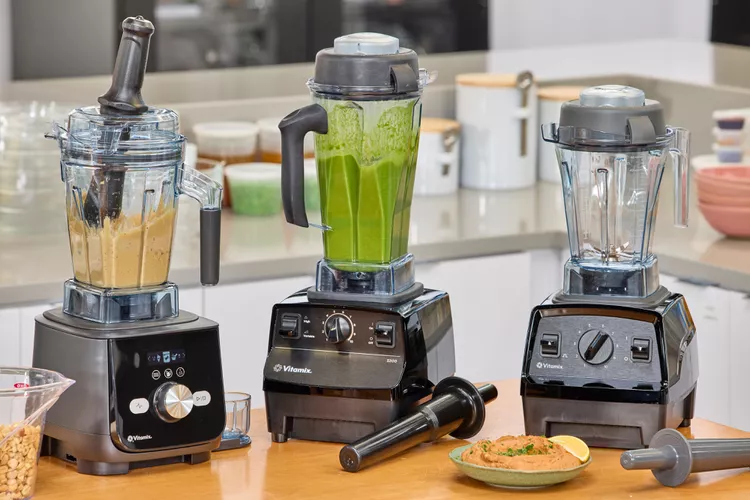
A small kitchen appliance can move fast when it lands in front of millions of breakfast-time viewers. The Vitamix One story works because it sits at the exact place where shoppers get curious: a trusted blender name, a smaller footprint, and a price that feels easier to defend than the brand’s larger machines. That makes the story more practical than flashy, especially for buyers who hate clutter. For readers tracking consumer product demand signals, that mix is worth watching because it tells you more than “people like smoothies.” It shows how American buyers now judge kitchen gear by counter space, daily use, and whether the machine can earn its spot before the return window closes. The smarter question is not whether the hype is loud. It is whether this compact blender fits the way you cook on a Tuesday morning, when you have six minutes, one banana, half a cup of frozen berries, and no patience for washing a sink full of parts.
Why Vitamix One Demand Feels Different This Time
Morning TV attention can make any kitchen product look like the next must-have, but this demand feels sharper because the product solves a plain problem. Many U.S. homes have the ingredients for better breakfasts, but not the space or mood for a full-size blender setup. That is where the tension starts. People want the Vitamix name, yet they do not always want a tall machine parked beside the coffee maker. A smaller blender gives that buyer permission to enter the brand without letting the appliance take over the room. It also gives retailers a product that is easy to explain in one short segment, which is half the battle in a crowded appliance aisle.
TV Attention Changes How Small Appliances Get Judged
A television feature does not sell a blender by specs alone. It sells the scene. Someone sees fruit, yogurt, a clean pour, and a countertop that still looks calm afterward. That matters because small appliances are often bought through emotion first and logic second.
The catch is that TV can blur the line between “useful” and “urgent.” A product segment might show a smoothie in seconds, but it will not show your apartment cabinet, your dishwasher rack, or the frozen mango that turns into a brick in the back of the freezer. Those details decide whether the machine becomes a habit or another box in the pantry. The danger is not the feature itself. The danger is buying for the scene instead of the routine.
That is why a compact blender can win attention without being the strongest blender in the brand’s lineup. Strength is not always the deciding factor. For a single person in Chicago, a couple in Phoenix, or a college parent buying for a dorm-friendly setup, a smaller jar and lighter base may solve more friction than raw power. A machine that is easy to reach often gets used more than a stronger one stored behind baking pans. This is the part many spec sheets miss: the best appliance is not always the most capable one, but the one that meets the least resistance at 7:15 a.m.
The Small Size Is the Headline, Not the Compromise
A lot of shoppers hear “small” and assume they are accepting less. That is not always fair. A smaller machine can be the better choice when the job is narrow, frequent, and easy to repeat. In a kitchen, the winning appliance is rarely the one that can do the most on paper. It is the one you reach for without negotiating with yourself.
Think about weekday routines. One smoothie. A small sauce. A quick dressing. A dip for two people watching a game. In those moments, a giant container can feel oddly annoying because the food spreads too wide, the blades need more volume, and cleanup feels out of scale with the task. A compact jar can make a small recipe feel normal instead of wasteful. That matters in homes where counter space is shared with coffee pods, lunch boxes, mail, and a phone charger that never seems to move.
The non-obvious insight is that a smaller blender can encourage better habits because it lowers the mental cost of starting. You are more likely to make a quick protein shake when the machine is already on the counter and does not feel like an event. Convenience beats ambition in most American kitchens. That may sound plain, but it is the reason so many bulky appliances lose to the coffee maker: one is easy, the other asks for a plan.
What Buyers Should Know Before Chasing the Restock
Fast demand can make people skip the boring checks. That is where regret begins. A product can be popular and still be the wrong buy for your routine, so the best move is to slow down for five minutes before you chase a cart button. This is where a practical best blender buying guide can help you compare needs before price pressure takes over. The goal is not to talk yourself out of a good deal. It is to know which deal belongs in your kitchen. A restock should feel like timing, not pressure.
Where This Machine Shines in Everyday Use
This model makes the most sense for smaller batches. The official product details list a 32-ounce Tritan container, a motor base, a mini-tamper, a 6.25-pound product weight, and an 8.125 x 7 x 16-inch footprint; the same listing also notes that hot soups and ultra-thick nut butters are better left to other Vitamix models. Official Vitamix product details.
Those limits are not a deal-breaker. They are a map. A 32-ounce blender is aimed at smoothies, sauces, dips, and small frozen treats, not gallon-size meal prep or dense paste work. That makes it a better fit for people who cook in small bursts instead of batch cooking every Sunday. A home office worker making lunch between calls may benefit more from speed and rinse-friendly parts than from a container built for a soup night.
The tamper also matters more than it sounds. Frozen fruit can create air pockets, and a small tamper helps move the ingredients toward the blades without stopping every few seconds. Anyone who has shaken a cheap blender like a paint can understands why that little tool can change the mood of breakfast. It does not make every recipe easy, but it gives you more control when the mix gets stubborn. That control can be the difference between a smooth drink and a noisy argument with frozen strawberries.
Where a Full-Size Machine Still Makes Sense
A full-size blender remains the better choice for families, heavy prep, and cooks who want one appliance to cover hot soup, thick spreads, large frozen desserts, and big batches. A compact machine can handle daily basics, but it should not be treated like a commercial kitchen workhorse. That distinction matters because the Vitamix name can make people expect the same job range across every model. Brand trust helps, but it can also blur the job description.
Picture a family in suburban Dallas making smoothies for four before school. A small container means repeat batches. That may be fine on a lazy Saturday, but it becomes irritating when the school bus clock is winning. Capacity is not glamour, but it saves time. The same is true for a parent making a big batch of sauce, or a meal-prep cook trying to blend enough dressing for the week.
The counterintuitive part is that buying the smaller model to save space can waste space later if you end up needing a second appliance. If you already know you make large soups, nut-heavy sauces, or dense smoothie bowls every week, a larger machine may be the cleaner choice. Not cheaper today, but cleaner over the year. A cabinet with two half-right tools is worse than one honest purchase.
How to Decide If a Compact Blender Belongs on Your Counter
The right blender is not the one with the loudest buzz. It is the one that matches the food you make when nobody is watching. That is a humble test, but it works. Open your fridge, look at your habits, and ask what you have made in the last ten days, not what you plan to make after buying new gear. The past week tells the truth better than a wish list. If your last ten days include quick breakfasts and small sauces, the answer starts to look clear.
Match the Jar to Your Habits, Not Your Wish List
A small kitchen blender is a strong fit when your recipes stay personal. One smoothie after a run. A quick salsa for tacos. Pancake batter for two. A small jar keeps those jobs simple because the ingredients stay close to the blades and the cleanup stays light. It also helps avoid the strange feeling of using a family-size machine for a single cup of food.
Wish-list cooking can trick you. You may picture cashew cream, frozen dessert, green juice, almond butter, soup, hummus, and meal prep jars lined up like a magazine spread. Then real life returns, and you mostly blend bananas, berries, milk, protein powder, and spinach. That is not a bad routine. It is a routine worth buying for. The honest routine is where a kitchen purchase either earns loyalty or becomes clutter.
That is not failure. That is the point. When an appliance matches the repeat task, it earns its counter space. When it is bought for a fantasy routine, it starts collecting dust beside the waffle maker you used twice. The best purchase often feels less exciting after the first week because it has already become normal.
Think About Storage, Cleanup, and Noise
Counter space is not the only space that counts. There is cabinet height, sink depth, drying rack room, and the awkward moment when a lid will not fit beside plates. These small details decide whether the machine stays accessible. Accessibility matters because appliances hidden too well become weekend-only tools.
A 32-ounce blender can feel friendlier in smaller kitchens because the container is easier to rinse and store. Apartment kitchens in New York, Seattle, Boston, and Miami often force that kind of choice. A machine that looks modest in a store can feel generous when it leaves enough room for a toaster and coffee grinder. That extra breathing room is not cosmetic. It changes how the counter works. A calmer counter also makes cooking feel less like cleanup waiting to happen.
Noise deserves a sober mention. Any strong blender makes sound, and the smaller footprint does not mean silent operation. The better question is duration. If your blend takes less time and the cleanup is quicker, the whole routine feels less disruptive, even if the machine still announces itself. A loud ninety seconds can be acceptable when the result and cleanup both feel easy.
Buying Smart During a Fast-Moving Kitchen Trend
Demand spikes are designed to make you hurry. That does not mean you have to act careless. A television feature can introduce a good product, but your checkout decision should still pass through price, warranty, return policy, and recipe fit. The calm buyer often gets the better outcome. Scarcity is a poor substitute for fit. A sold-out label can create desire, but it cannot make the jar size match your household.
Check the Real Details Before the Checkout Page
Start with the official listing, then compare the retailer page you plan to use. Look for the container size, included accessories, warranty language, return window, and whether the product is new, refurbished, or sold by a third-party seller. A small mismatch can matter. The product photo is not enough because marketplace pages can mix models, bundles, and older inventory in ways that confuse rushed buyers.
This is also where shoppers should be careful with “deal” framing. A sale badge can look exciting, yet the real question is whether the price is fair for the job you need done. For more price-aware kitchen coverage, a page like small kitchen appliance deals can help you sort hype from useful timing. A fair price on the wrong appliance is still a weak purchase. A fair price on the right one feels boring, which is usually a good sign.
One practical example: a buyer in Atlanta may find the blender listed at several retailers, but one page includes a weaker return path or unclear seller details. The lower sticker price is not always the better buy. A clean return policy has value when you are testing a product built around routine. If it fails your morning test, you need an exit that does not turn into a customer-service maze. That is part of the cost, even when it does not show up in the cart.
Treat the Sale Like a Fit Test
The best way to buy during a demand rush is to decide your “yes” conditions before you shop. You might set a price range, pick your color preference, confirm cabinet clearance, and decide which recipes you expect to make in week one. That removes panic from the cart. It also keeps you from buying a model because other people are moving fast.
A compact blender should prove itself fast. Within the first few days, run the recipes you care about most. Make the morning smoothie with frozen fruit. Try the sauce you make for tacos or grain bowls. Rinse it on a workday, not a relaxed Sunday. The test should happen under normal pressure, because that is where the appliance will either help or annoy you. A kitchen tool should be judged in the life it has to serve.
That last test matters. Many appliances seem useful when you have time. The winners survive the rushed morning, the messy lunch, and the tired dinner. If it fits those moments, the TV hype becomes almost irrelevant. You have your answer. If it does not, the return box is not a defeat; it is proof that you bought with standards.
Conclusion
A demand spike can be useful when it points shoppers toward a product category they already needed. It becomes risky when urgency replaces judgment. The smartest buyer will treat this story as a reason to compare habits, not as a command to buy on sight.
For many shoppers, the Vitamix One is less about owning the biggest blender and more about making daily blending feel easy enough to repeat. That is a valid reason to be interested, especially for smaller kitchens, single-serve routines, and people who want fewer pieces to clean. The appeal is not magic. It is lower friction, which is often what turns a purchase into a habit.
Still, the fit has to be honest. If you make large batches or dense recipes, move up. If your real life is smoothies, sauces, dips, and quick prep, this smaller machine may earn its place. Buy for the mornings you already have, not the kitchen fantasy you hope a box will create.
Frequently Asked Questions
Is this blender worth buying for a small apartment?
Yes, it can make sense for apartment kitchens because the footprint is easier to manage than many full-size machines. It fits best when you mostly make single smoothies, dips, sauces, or small frozen treats, not large family batches.
What can I make in a 32-ounce blender?
Smoothies, salad dressings, dips, sauces, pancake batter, small frozen desserts, and quick marinades are the natural fit. The jar size works best when ingredients can move freely around the blades without needing a large batch.
Is a compact blender strong enough for frozen fruit?
Yes, frozen fruit can work well when you use enough liquid and do not overload the jar. Hard frozen chunks need room to move, so smaller pieces and a smart liquid ratio will give you a better texture.
Should I buy this instead of a full-size Vitamix?
Choose the smaller model when your routine is personal and simple. Pick a full-size machine when you cook for several people, make thick spreads, blend large soups, or want one blender to handle heavier kitchen jobs.
How much counter space does this type of blender need?
Plan for room around the base, enough height under cabinets, and a nearby spot for the container to dry after rinsing. The listed footprint is small, but real comfort depends on your layout and nearby appliances.
Is this a good blender for smoothie bowls?
It can handle some thick blends, but smoothie bowls are harder than regular smoothies because they need less liquid. A full-size, higher-power model may be better if thick frozen bowls are your main reason for buying.
What should I check before ordering during a restock?
Check the seller, warranty, return window, container size, included tamper, final price, and shipping time. Fast demand can push shoppers toward weak listings, so slow down before entering payment details.
How do I know if a small kitchen blender will become a habit?
Look at what you already make. If you buy fruit, yogurt, greens, protein powder, sauces, or dips each week, it has a clear role. If you are buying for recipes you never cook, wait.